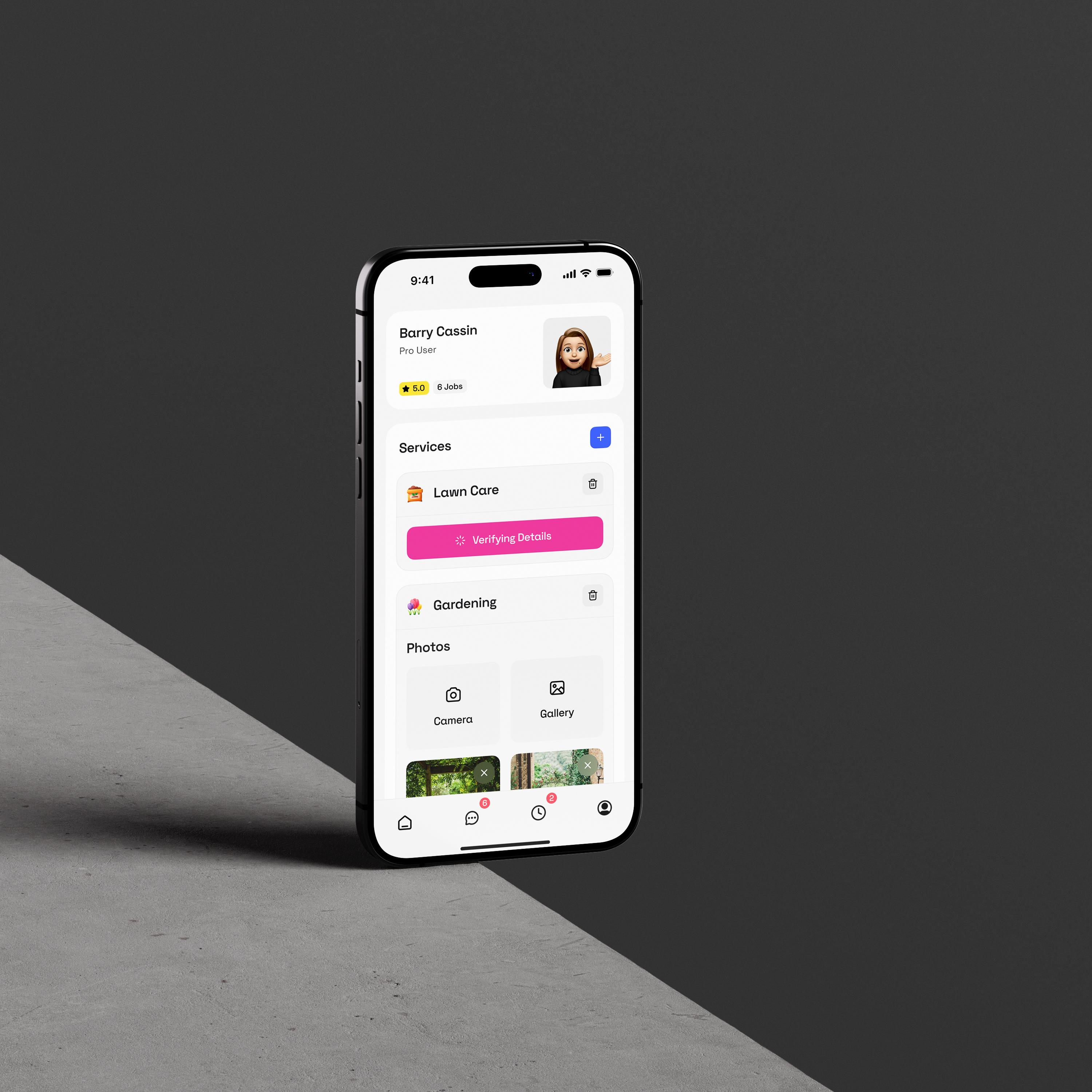
App development
Carry the resolved product into engineering, release, and iteration.
A digital product should make the next useful action feel clear.
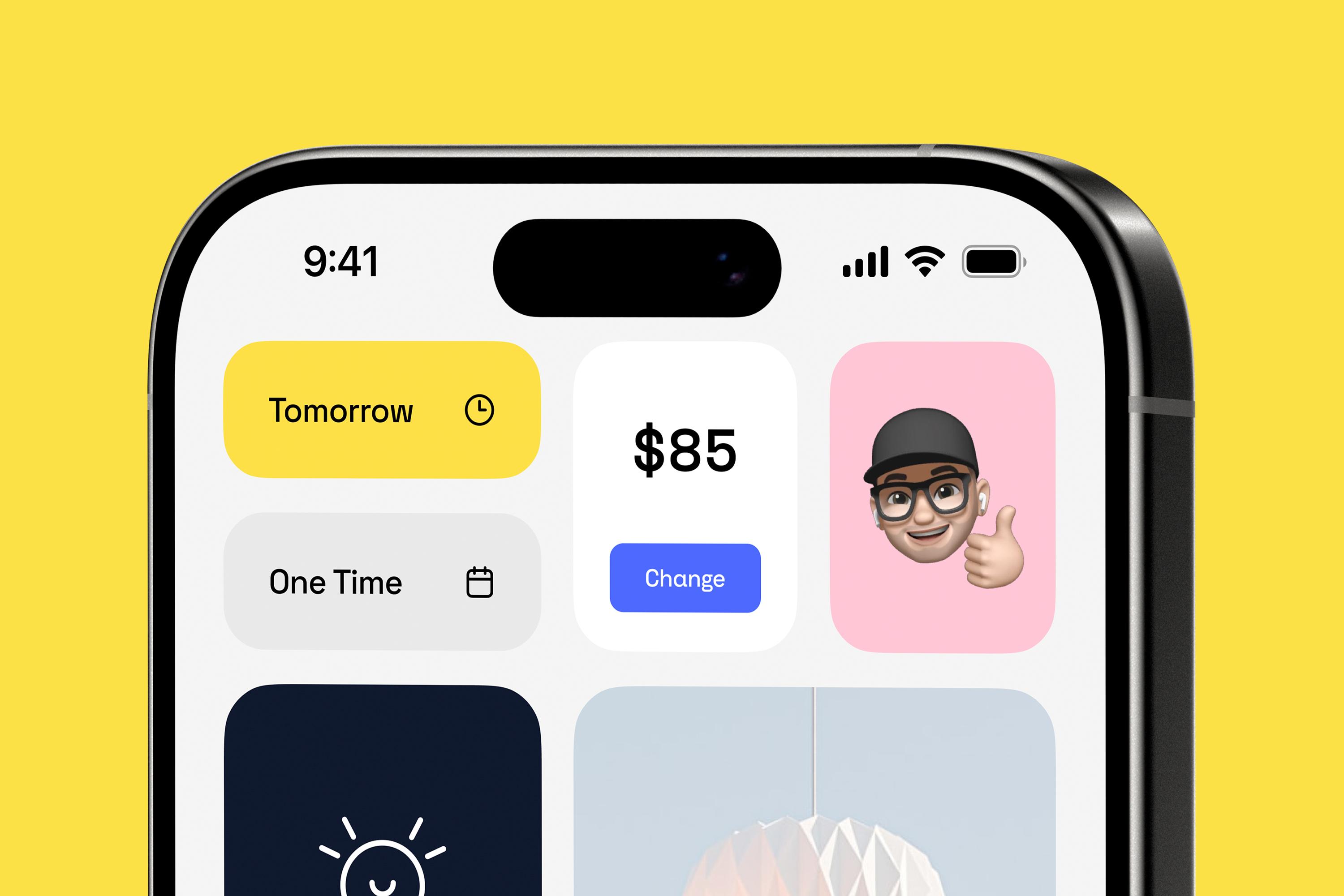

We define how the product should work before anyone commits to production code. That starts with the decisions, handoffs, and information already shaping the experience.
We turn that evidence into a product model, resolved flows, an interface system, and a working prototype. Hooman can carry the same point of view through build and launch, or hand the design to your team.
A digital product gives people a clear path forward.
What must become easier to understand or decide?
What should happen before and after that choice?
Which information belongs at the moment of action?
What should change when the product answers back?
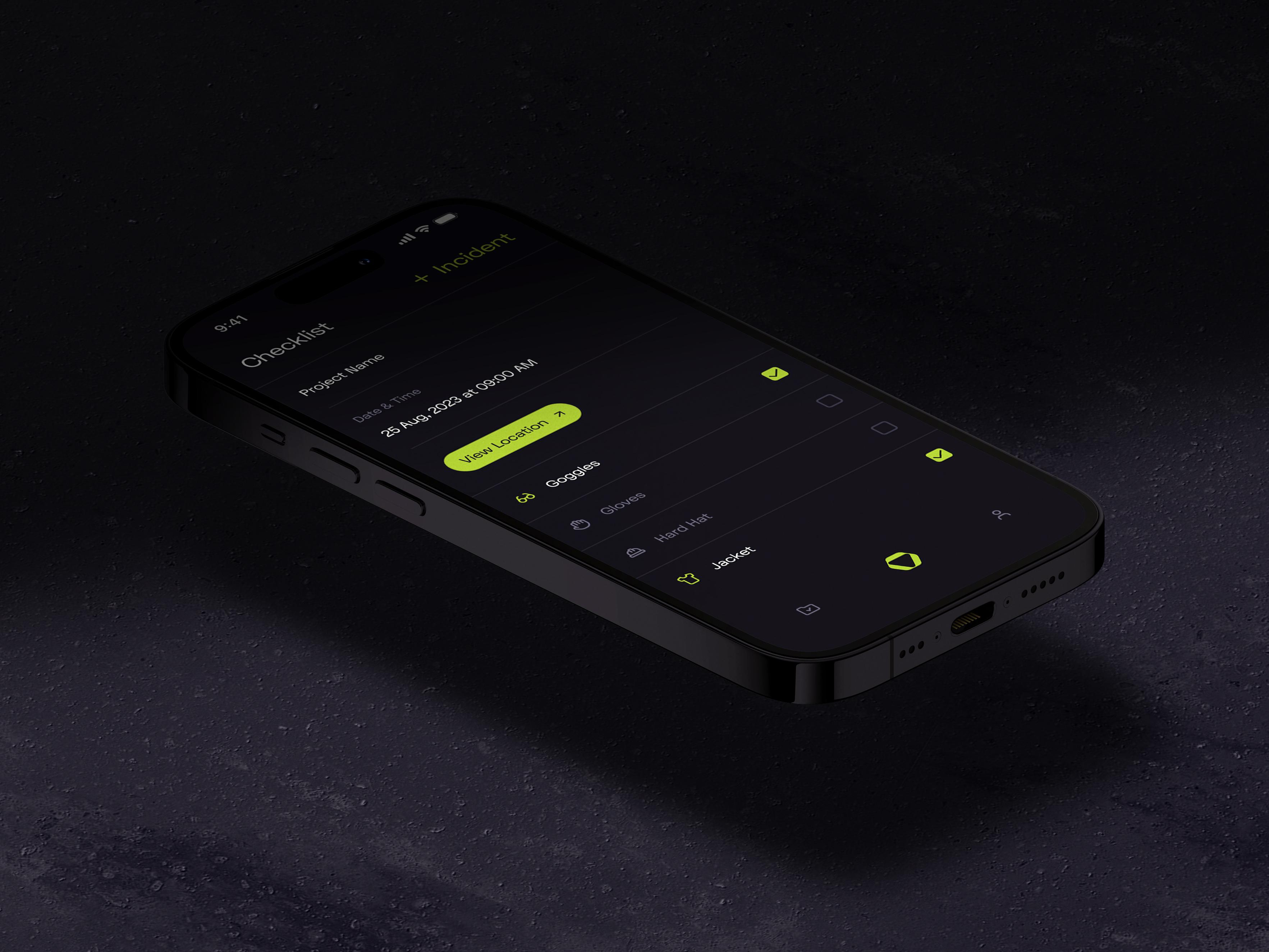
The checklist above keeps the job, location, and required equipment inside one decision. It removes searching without removing responsibility.
In an industrial pricing product, one confident answer would have looked faster and failed the people using it. Hooman designed confidence levels into the result, so uncertainty appeared before a costly trade.
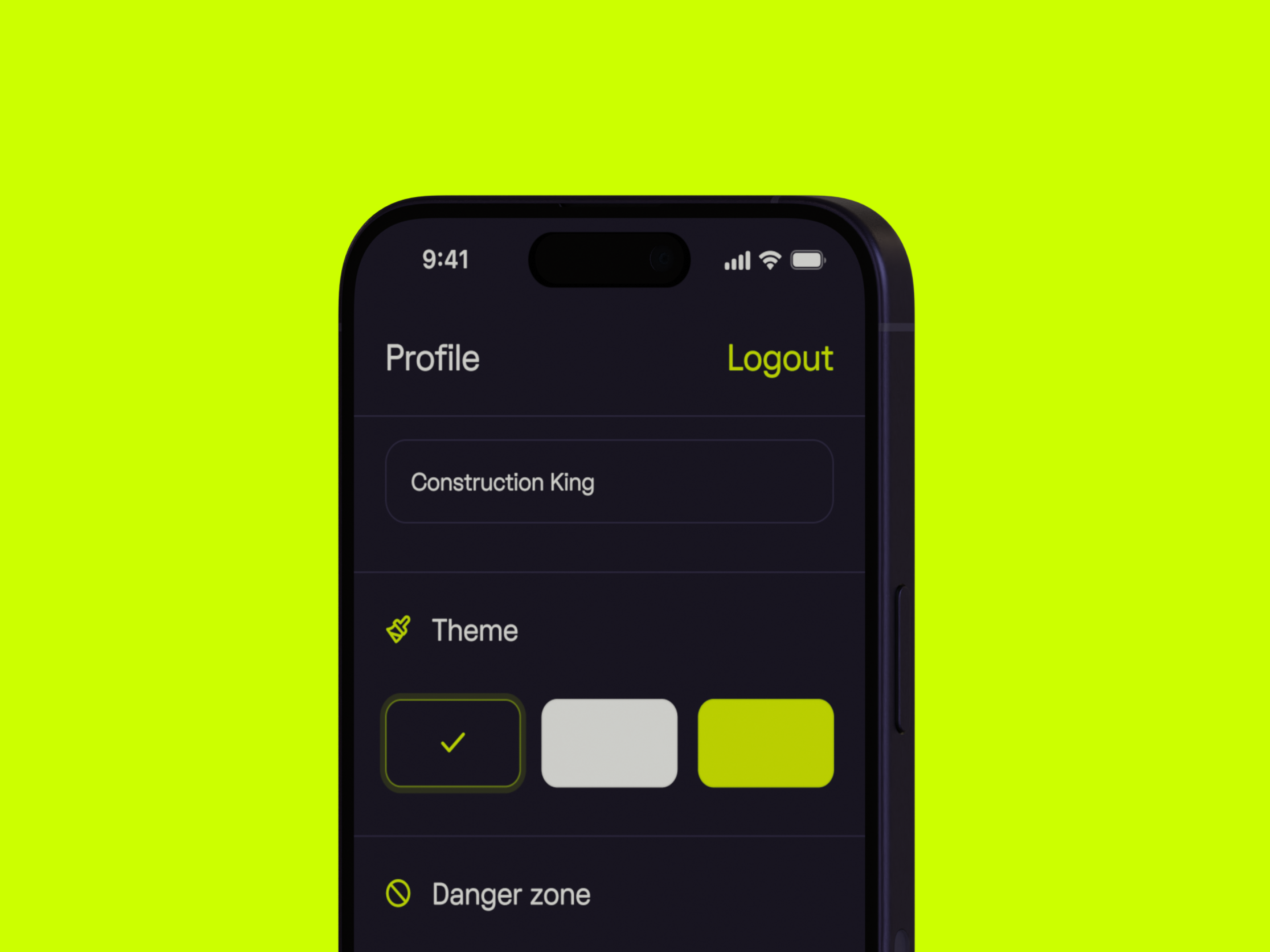
For a provincial referral platform, accessibility shaped the product from the first build. The system reached WCAG AA because access was part of the experience, not a final audit.
Or the same point of view can continue through build and launch.
Clarify the user, progress, and product rules.
Map decisions, states, and flows before code.
Unify hierarchy, actions, and feedback.
Put the critical path in people’s hands.
Some clients need product design only. Hooman can hand over the prototype, design system, and decision record to an internal team.
When Hooman continues, the people who shaped the product stay involved through engineering, release, and iteration. Web, mobile, and shared services become parts of the same product instead of separate handoffs.
Carry the resolved product into engineering, release, and iteration.
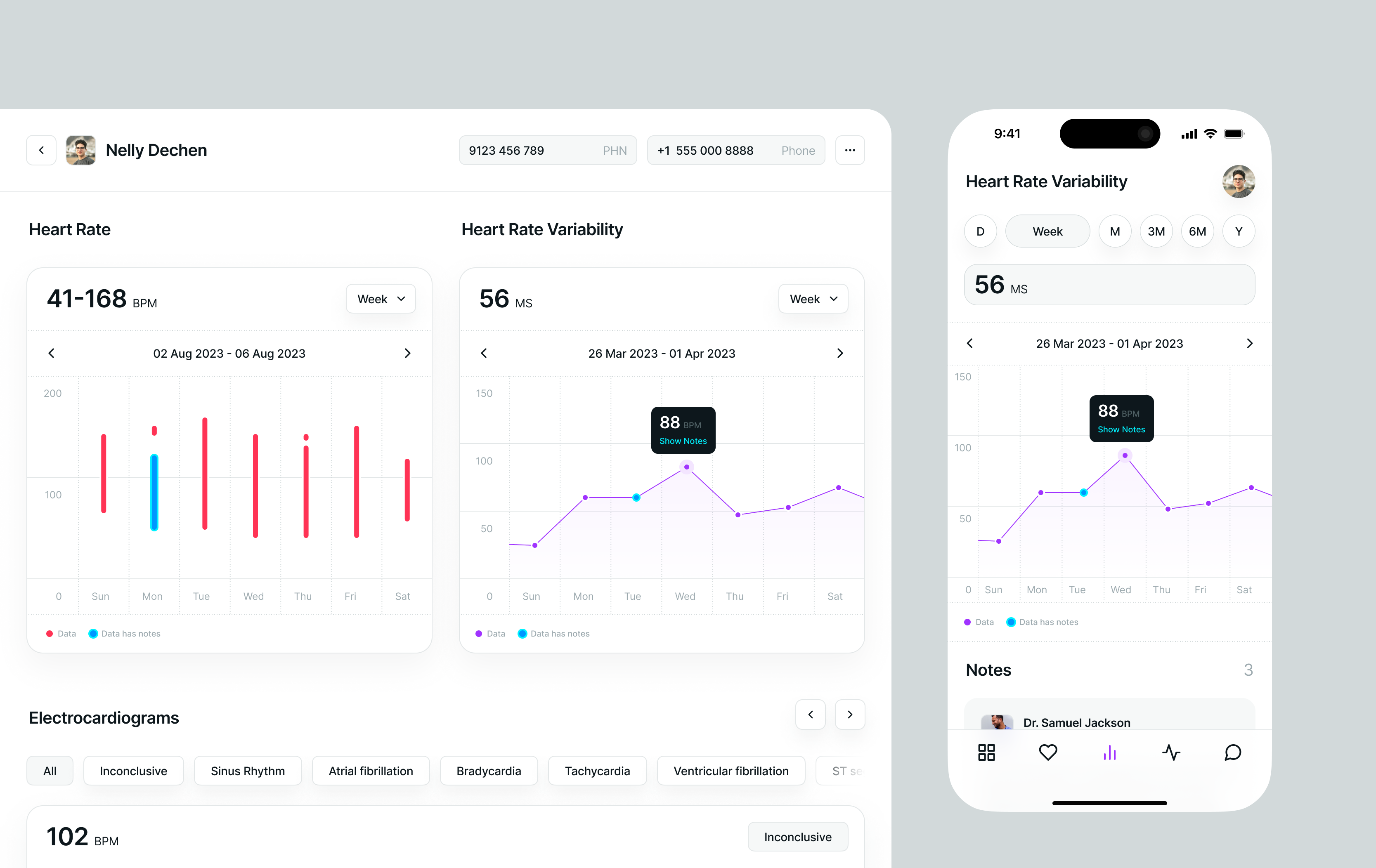
Build complex workflows for browsers, teams, and connected operations.
Design and ship the moments that need to live in someone’s hand.
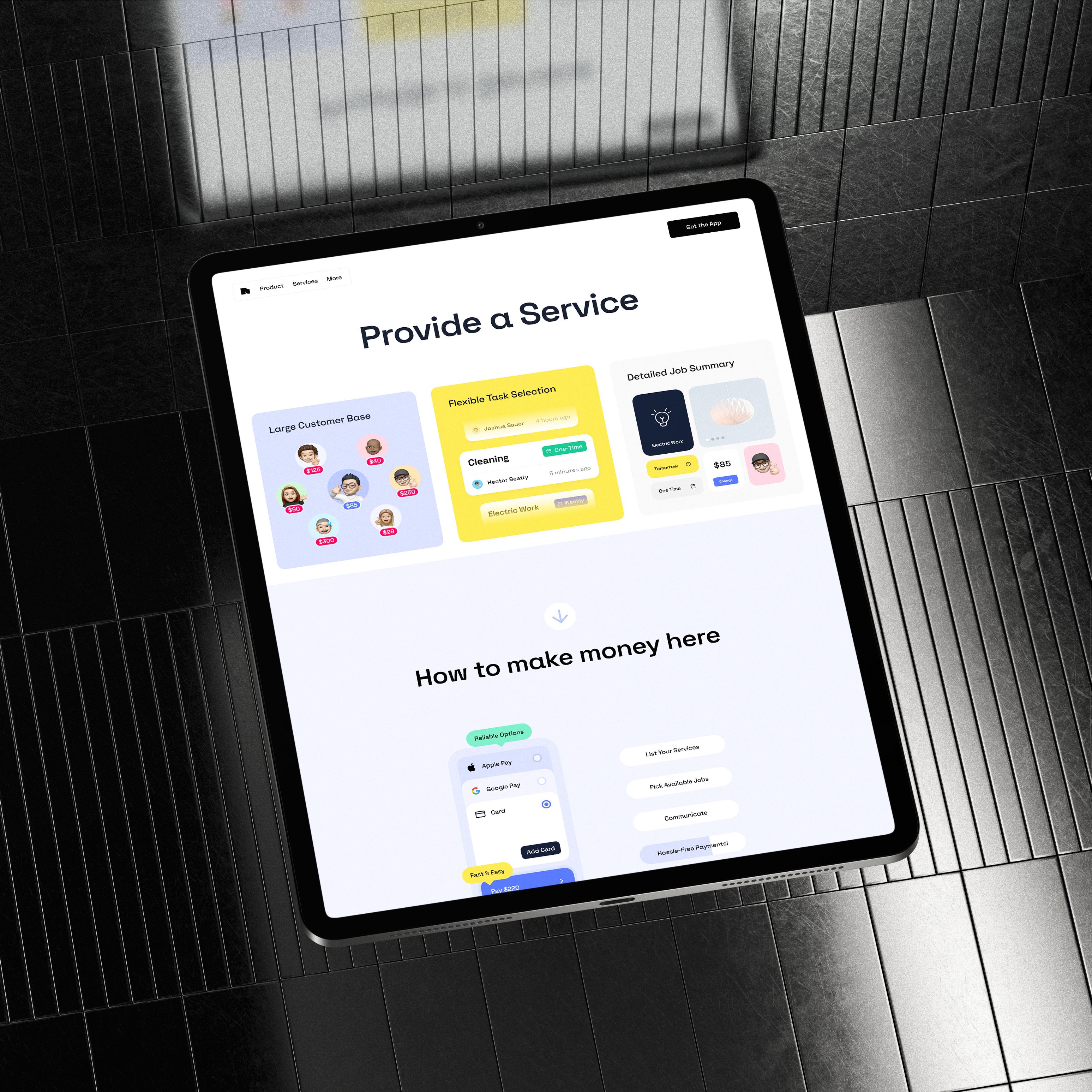
Take a new product from definition through launch with one connected team.
State, context, and next action stay connected.
The interface changes because the product problem changes.
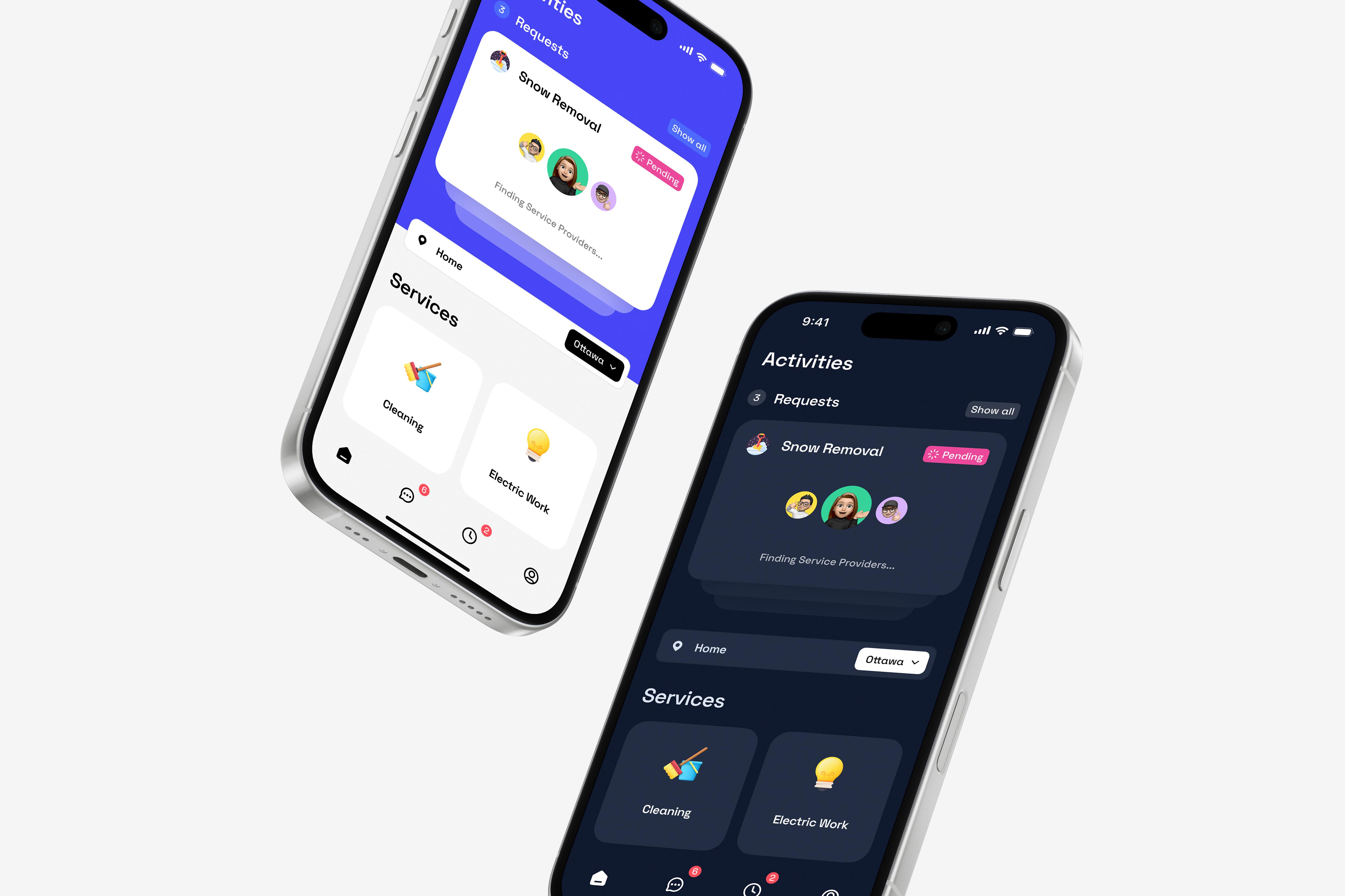
Requests meet the right available provider.
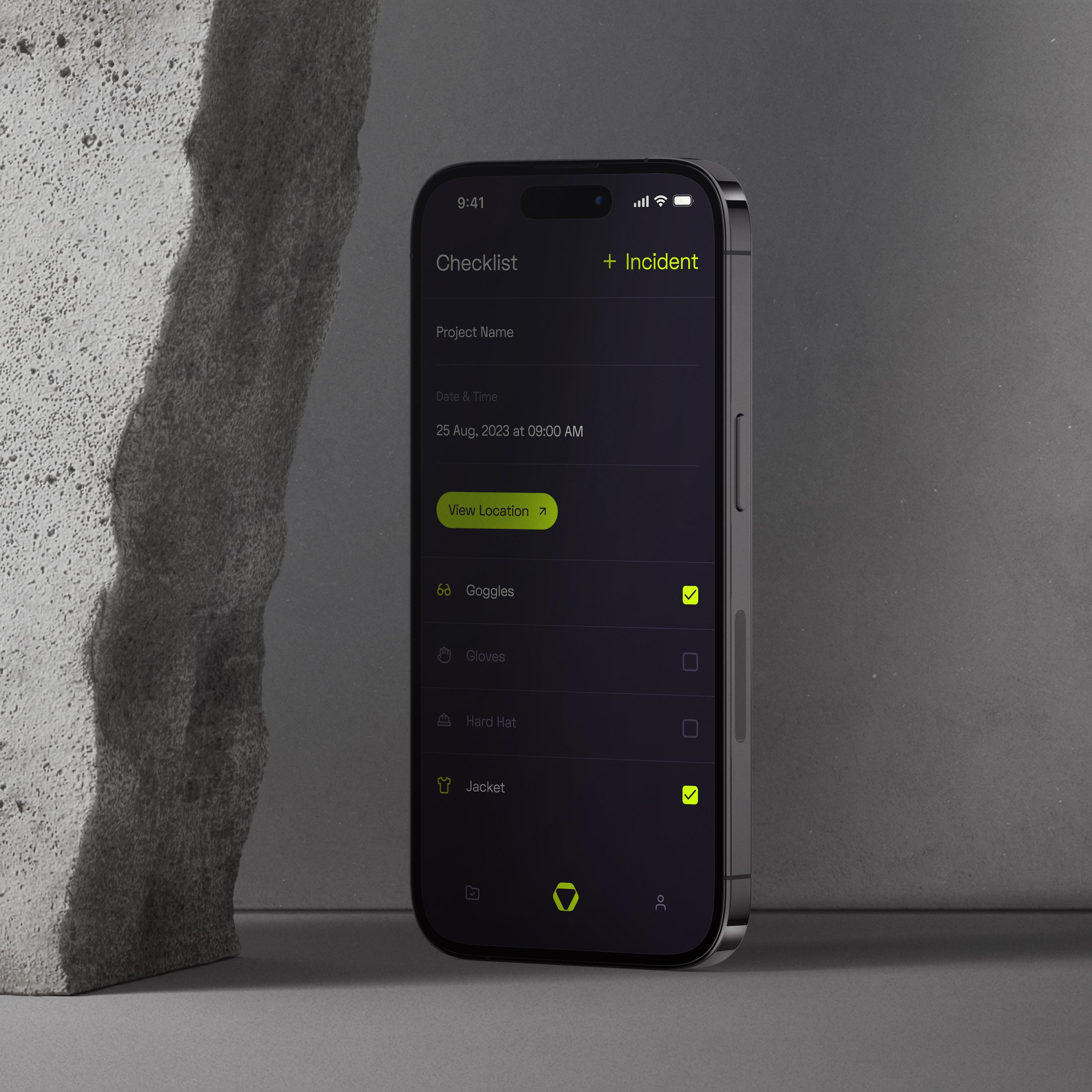
Job context becomes one clear checklist.
Health data stays clear across every screen.
Resolve the critical path before committing further.
Find where people make progress or get stuck.
Define the decisions, roles, states, and rules.
Test the critical path before production.
The phase ends with a product model, prioritized journeys, an interface direction, and a working prototype. It gives the team something concrete to test and gives the sponsor a clearer basis for the next investment.
The next step may be deeper product design, a build phase with Hooman, or a clean handover. The evidence decides.
Most common questions
A digital product design agency defines how a product should work and feel before production begins. Hooman connects digital product strategy, UX and UI design, design systems, and product prototyping around one critical path. The result is a product model that can be tested before engineering commits to it.
UX design focuses on the journey and usability. UI design focuses on the visible interface and interaction. Digital product design holds both inside a broader product model: the people, roles, rules, states, information, and business constraints that make the experience work.
Yes. Product design can be a standalone engagement. Hooman can deliver a resolved product model, flows, design system, prototype, and decision record for your internal team or another engineering partner to carry forward.
Yes. Hooman can continue from product definition through engineering, release, and iteration. The people who shaped the experience stay involved, so production decisions do not drift away from the product’s original intent.
We examine the current experience, the people inside it, and the constraints that cannot move. Then we define the product model and design the critical journey as a prototype that can be tested before a larger commitment.
Yes. Hooman provides SaaS product design and enterprise UX design for new products and major redesigns. Existing products often provide the best evidence because real workflows, edge cases, and adoption problems are already visible instead of being guessed.
Product design decides what the product should do and how people should experience it. Product development turns that resolved model into production software. Hooman can provide either phase independently or keep them connected through launch.