Hybrid Mobile App Development
One codebase. Two app stores. Apps that don't feel like compromises.
Why teams pick hybrid
You don't need two separate apps. You need one app that works on iPhone and Android, ships faster than going native twice, and still feels right to whoever opens it. That's hybrid done well.
We build with React Native and Flutter when the product calls for it: when speed to market matters, when the team is small, when the budget needs to go further. Not as a compromise. As the right tool for the job.
Proof in production
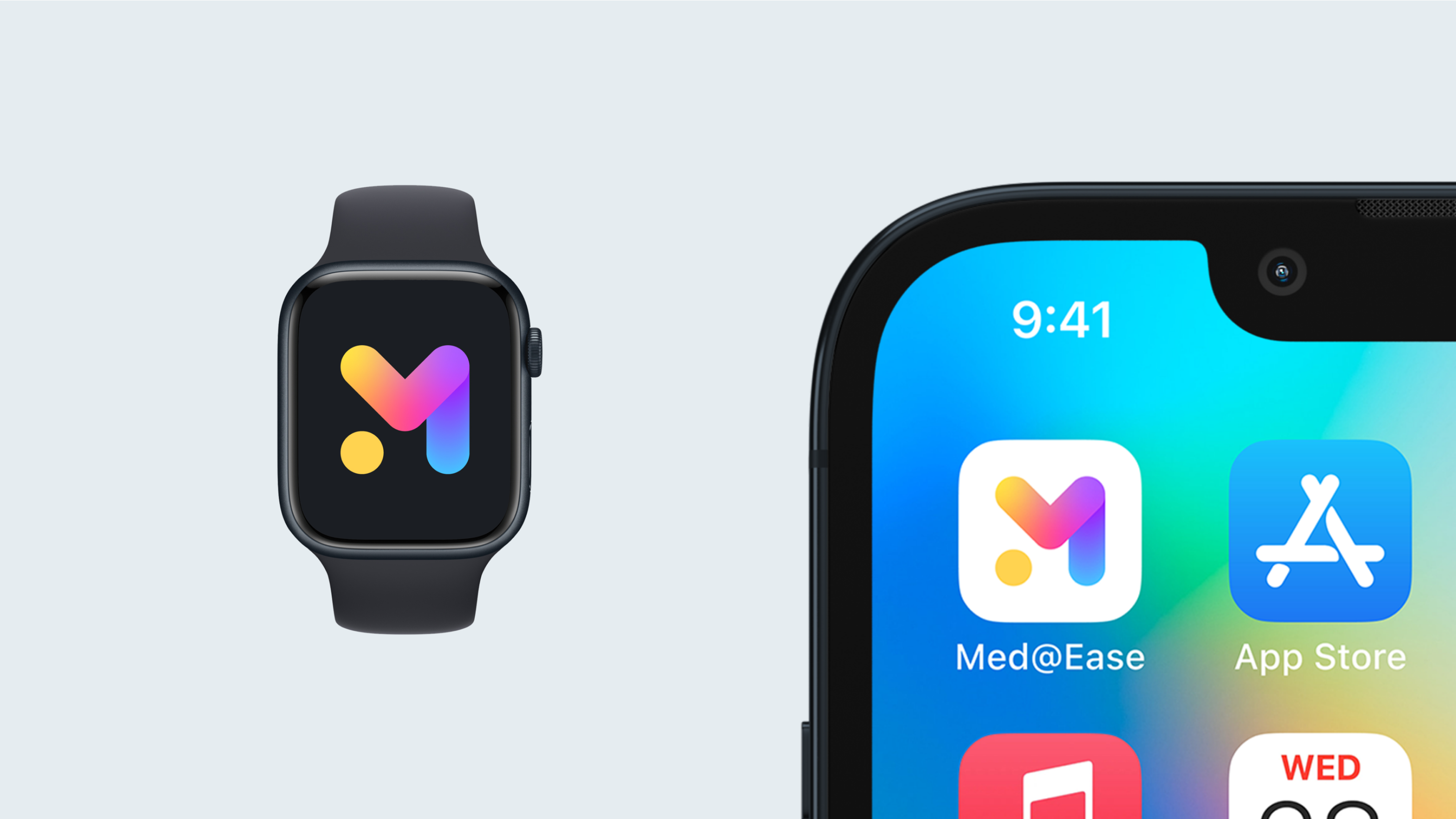
Med@Ease
Medication routines become clear schedules and gentle reminders.

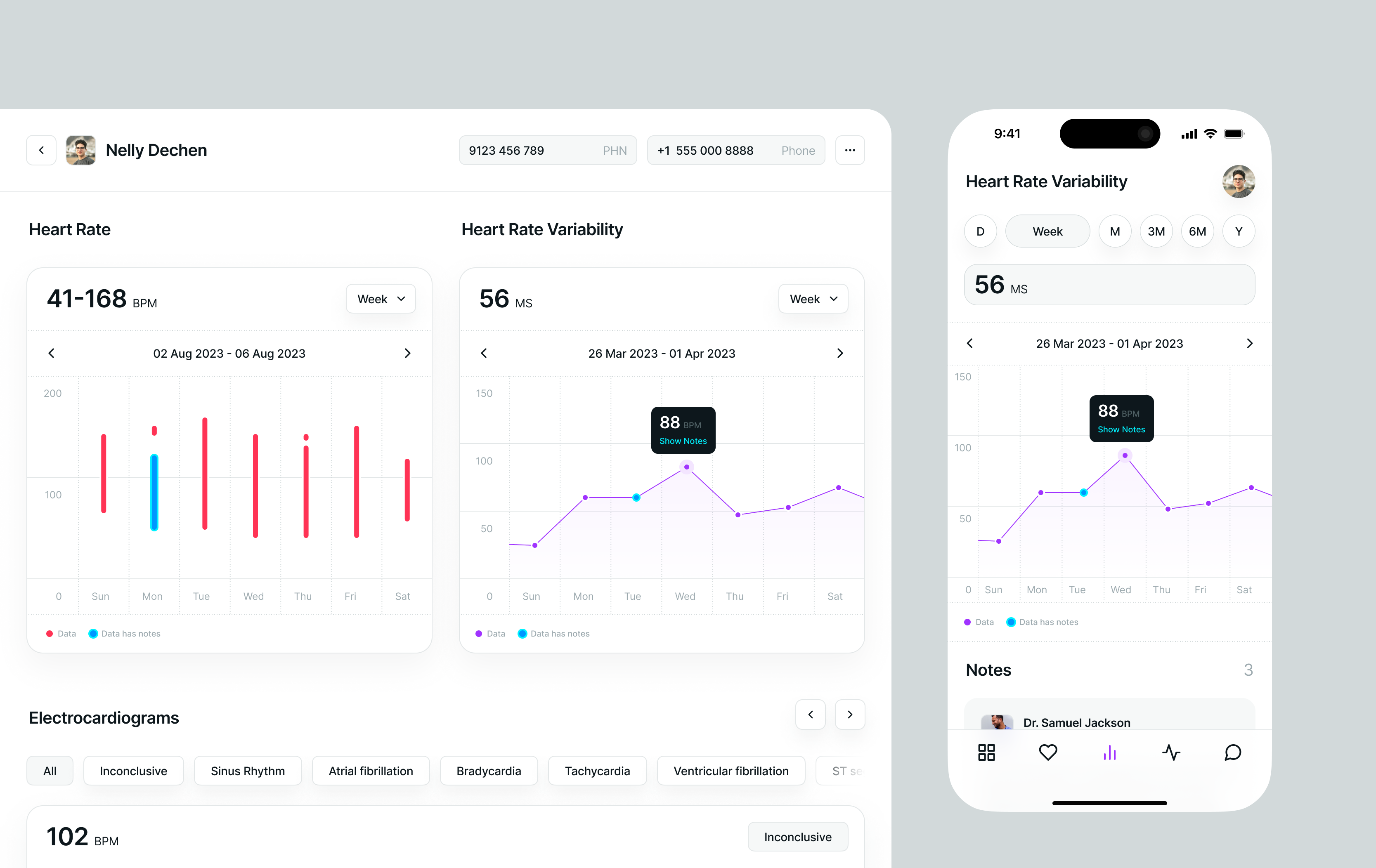
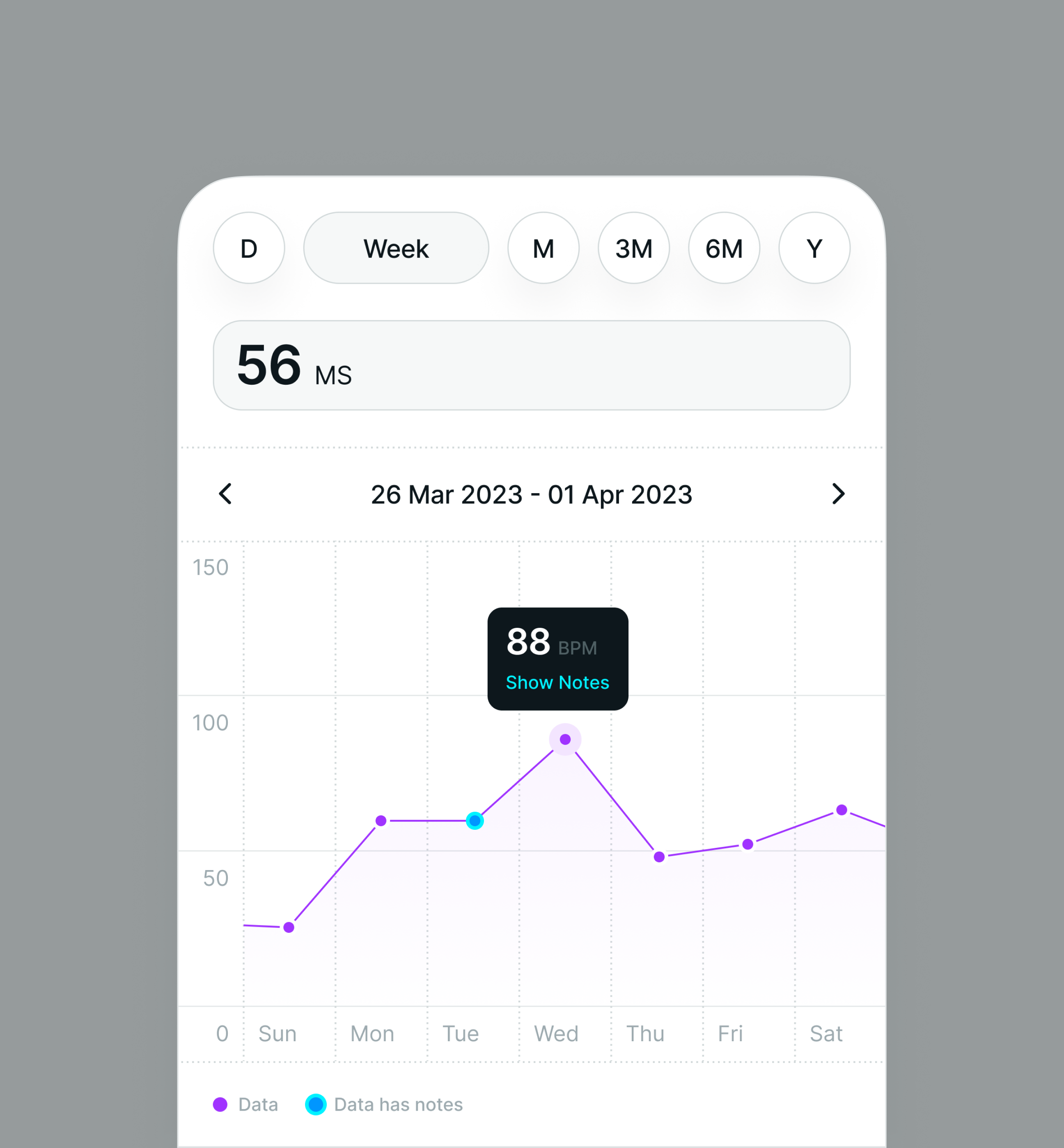
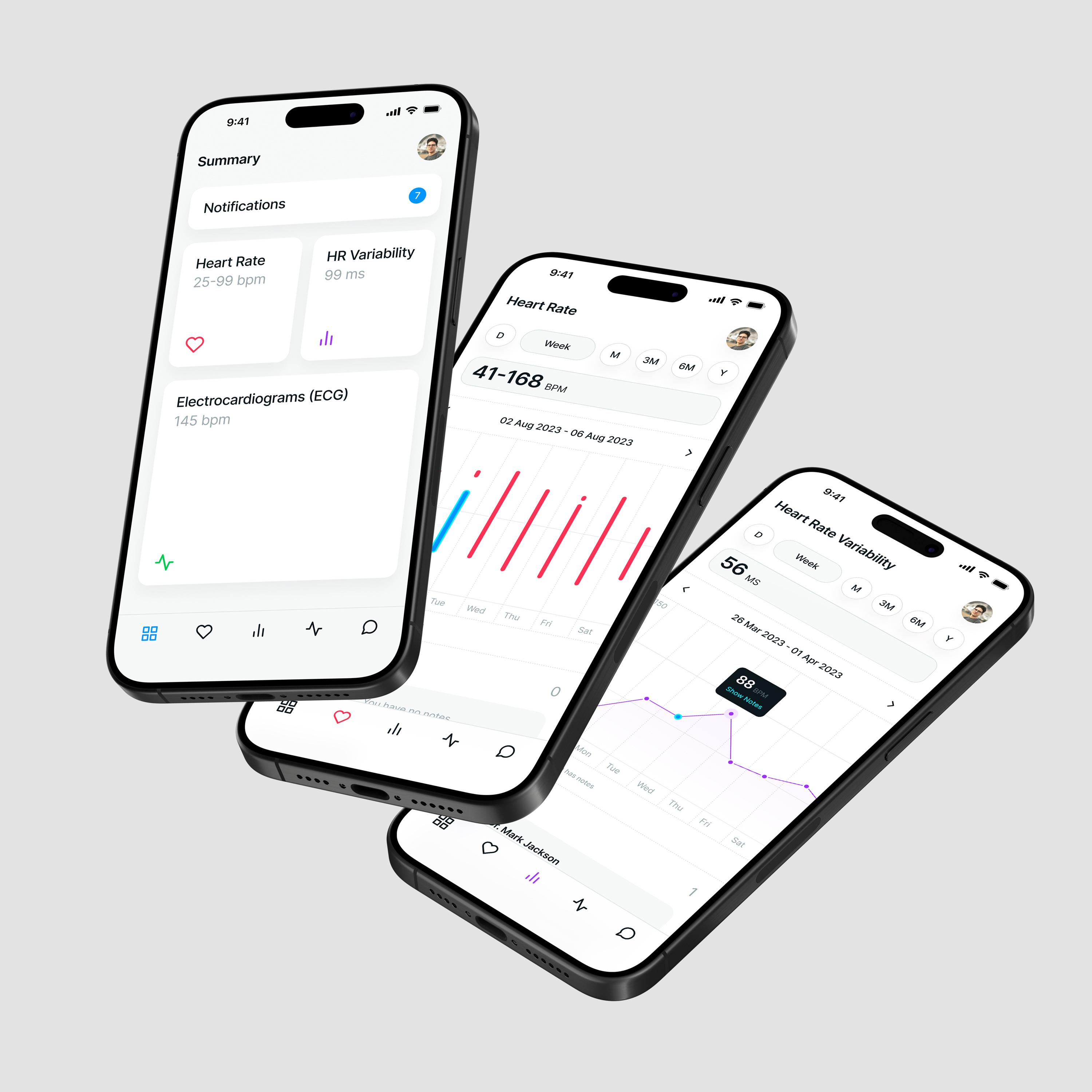

Pulsia
Wearable data becomes clear enough for better care conversations.
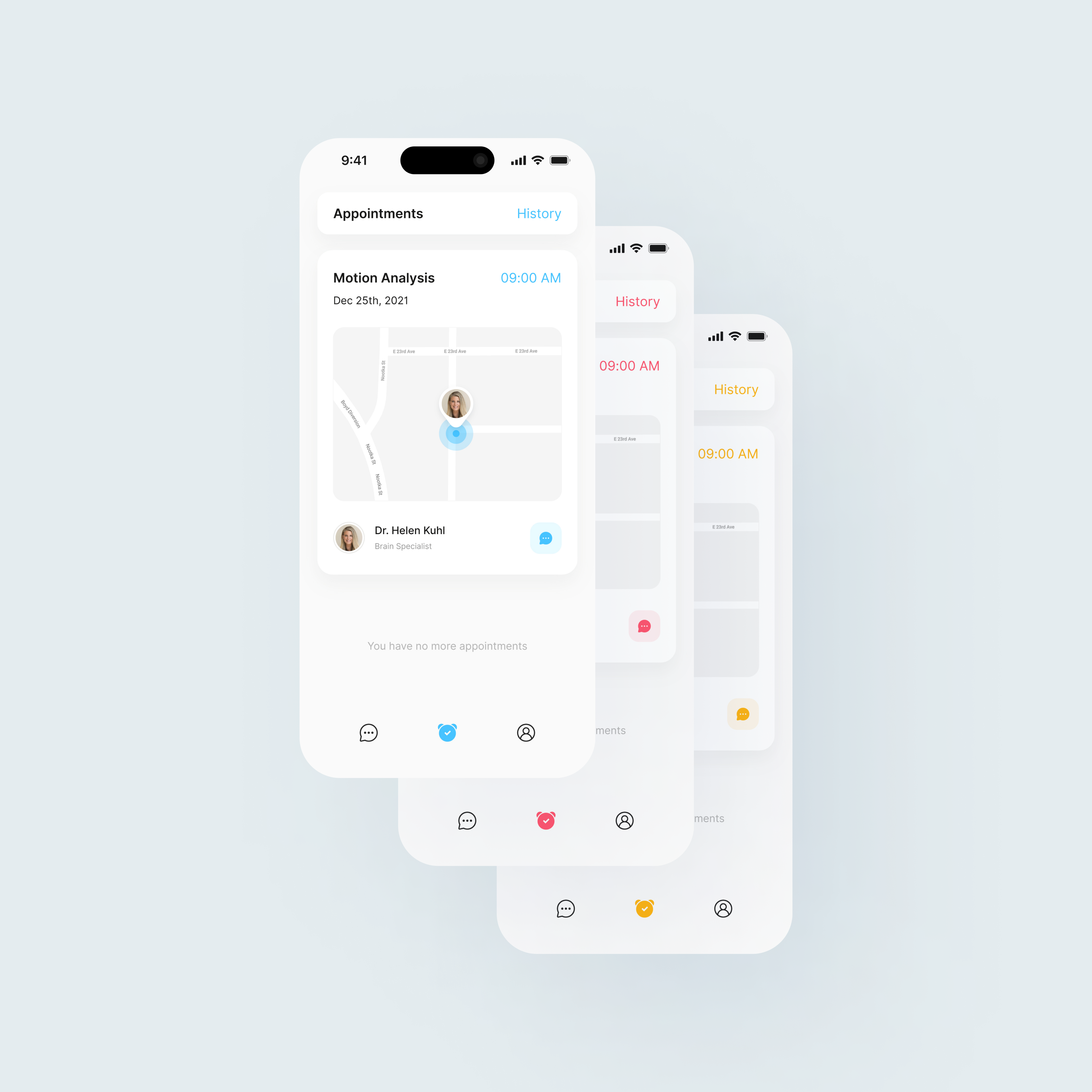
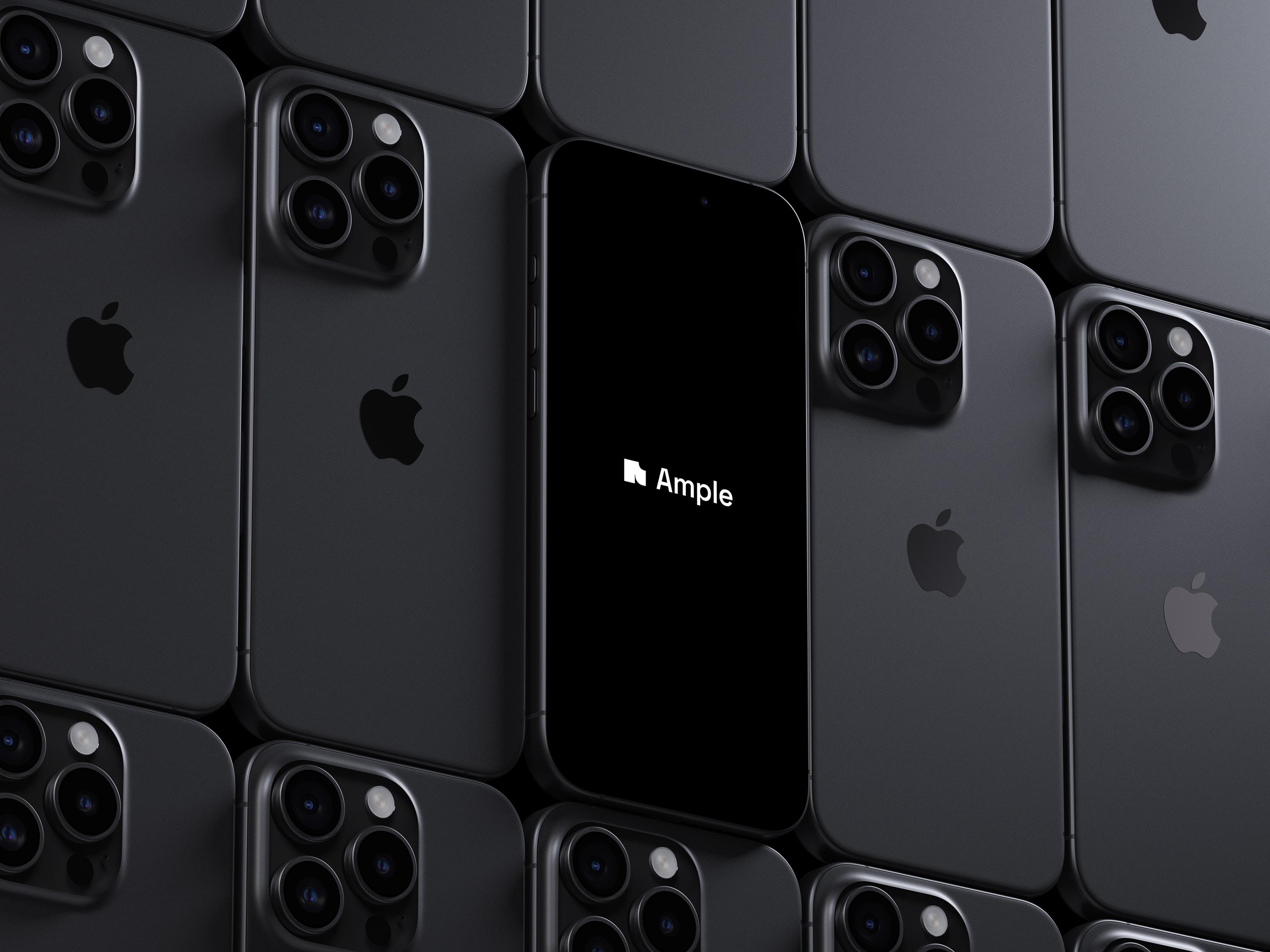
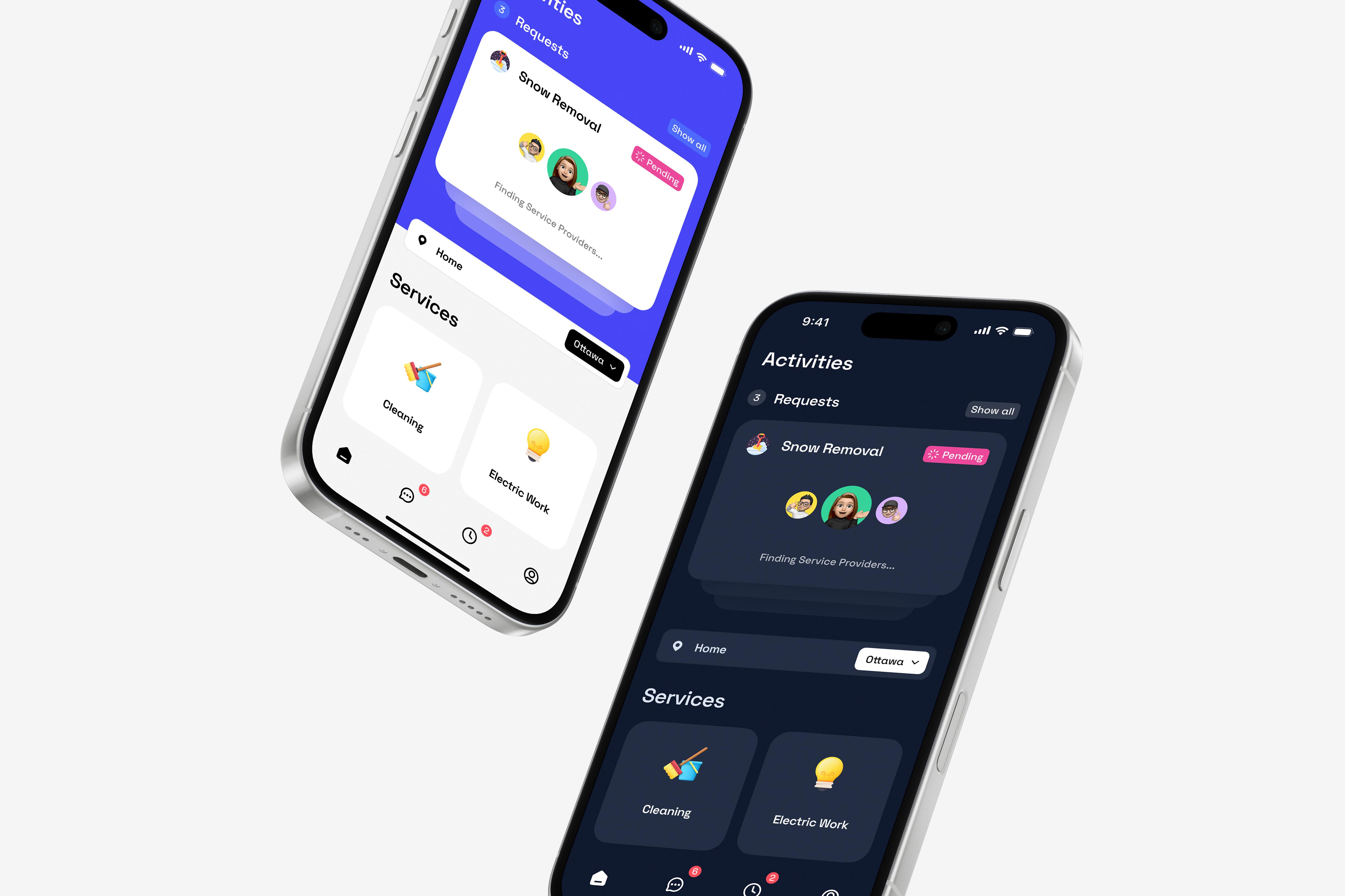
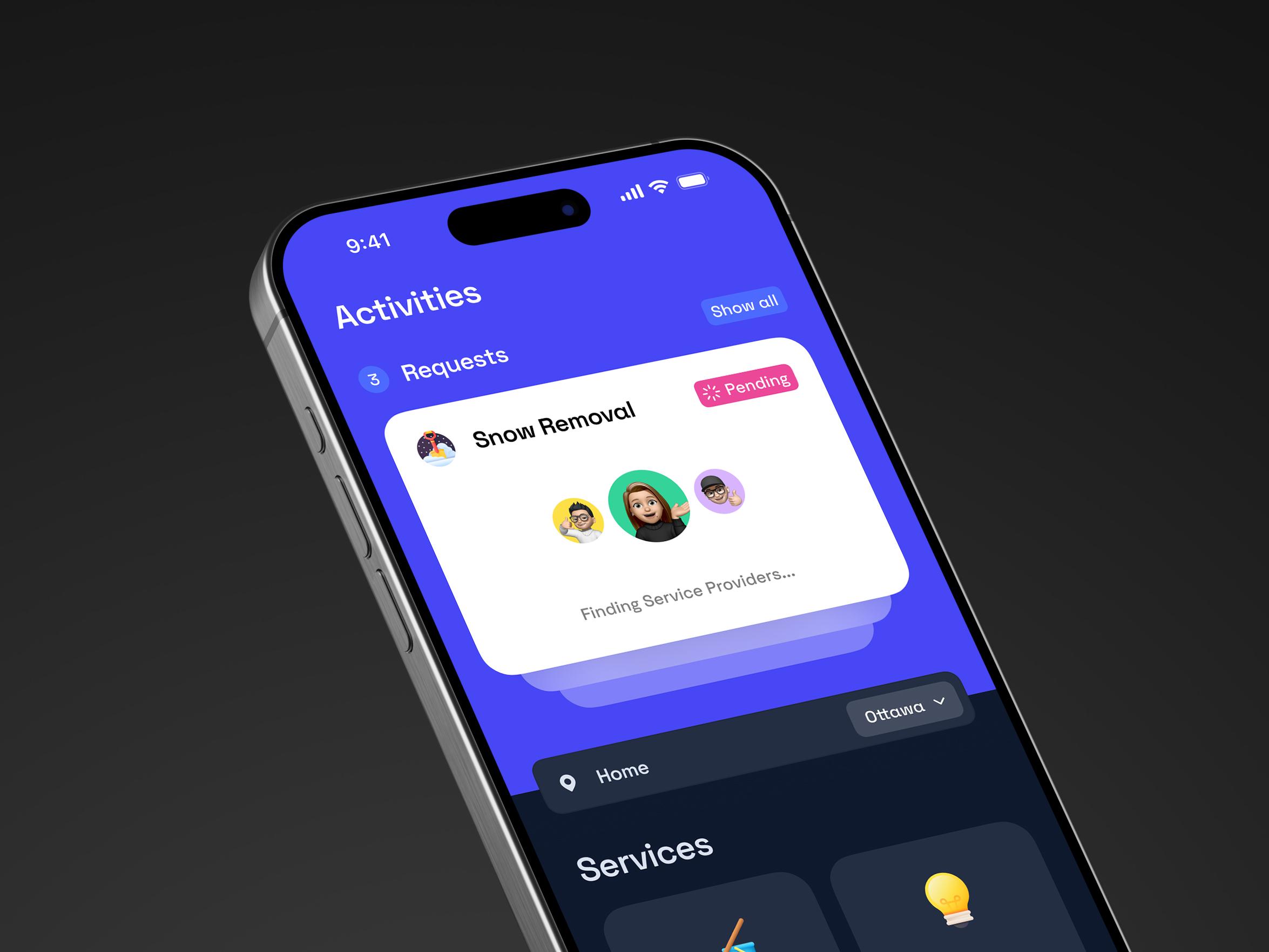
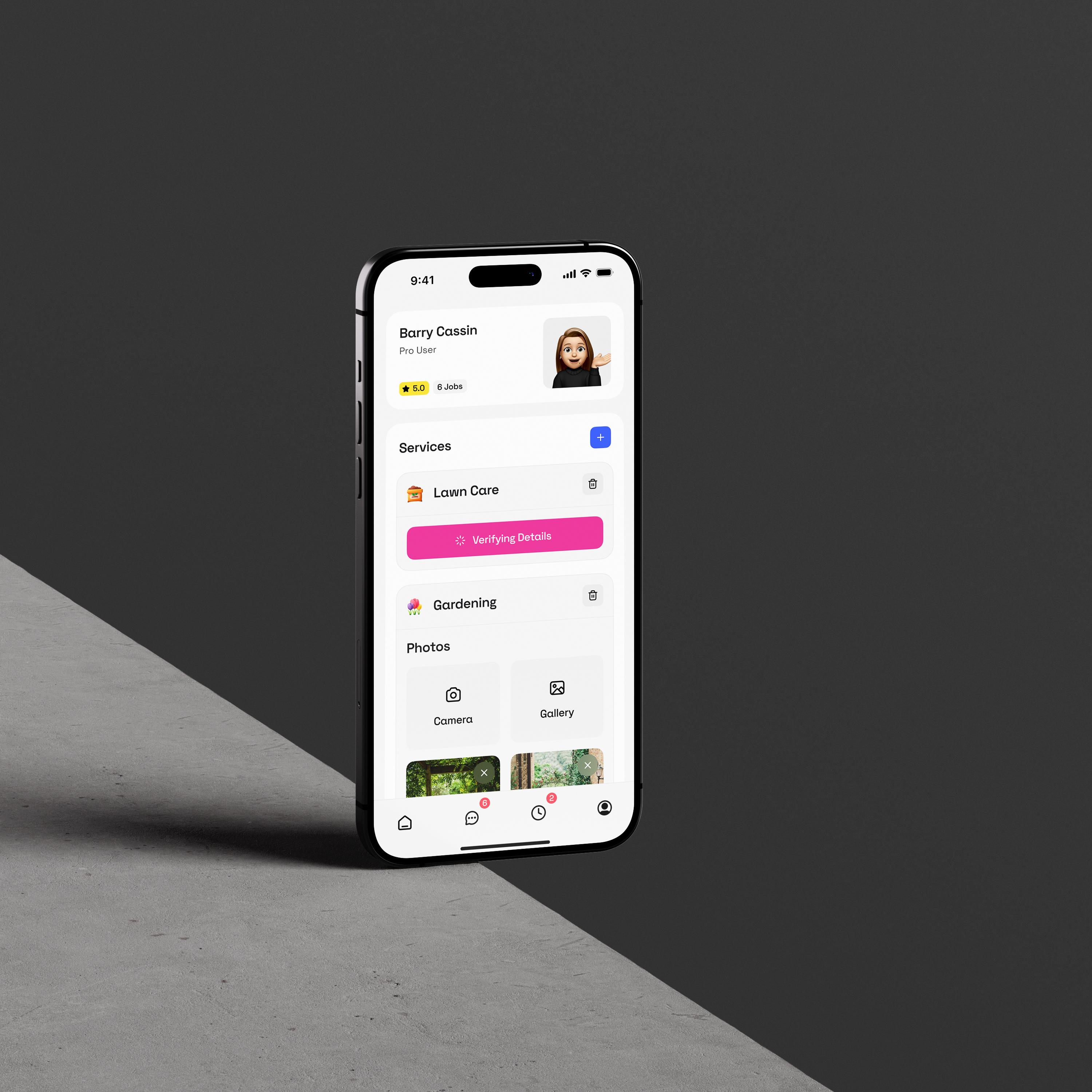
Ample
Booking, chat, and payment follow one simpler service journey.
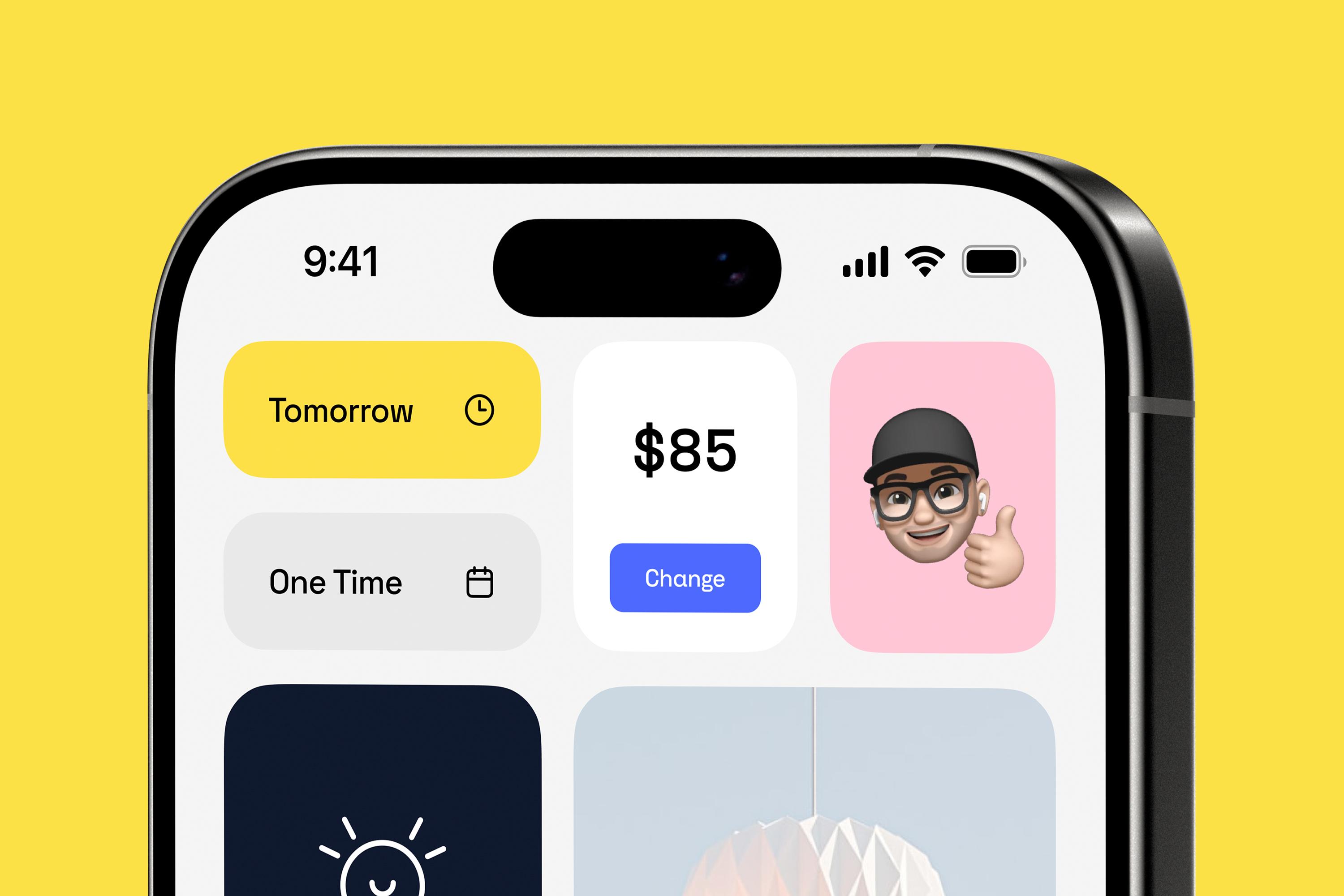
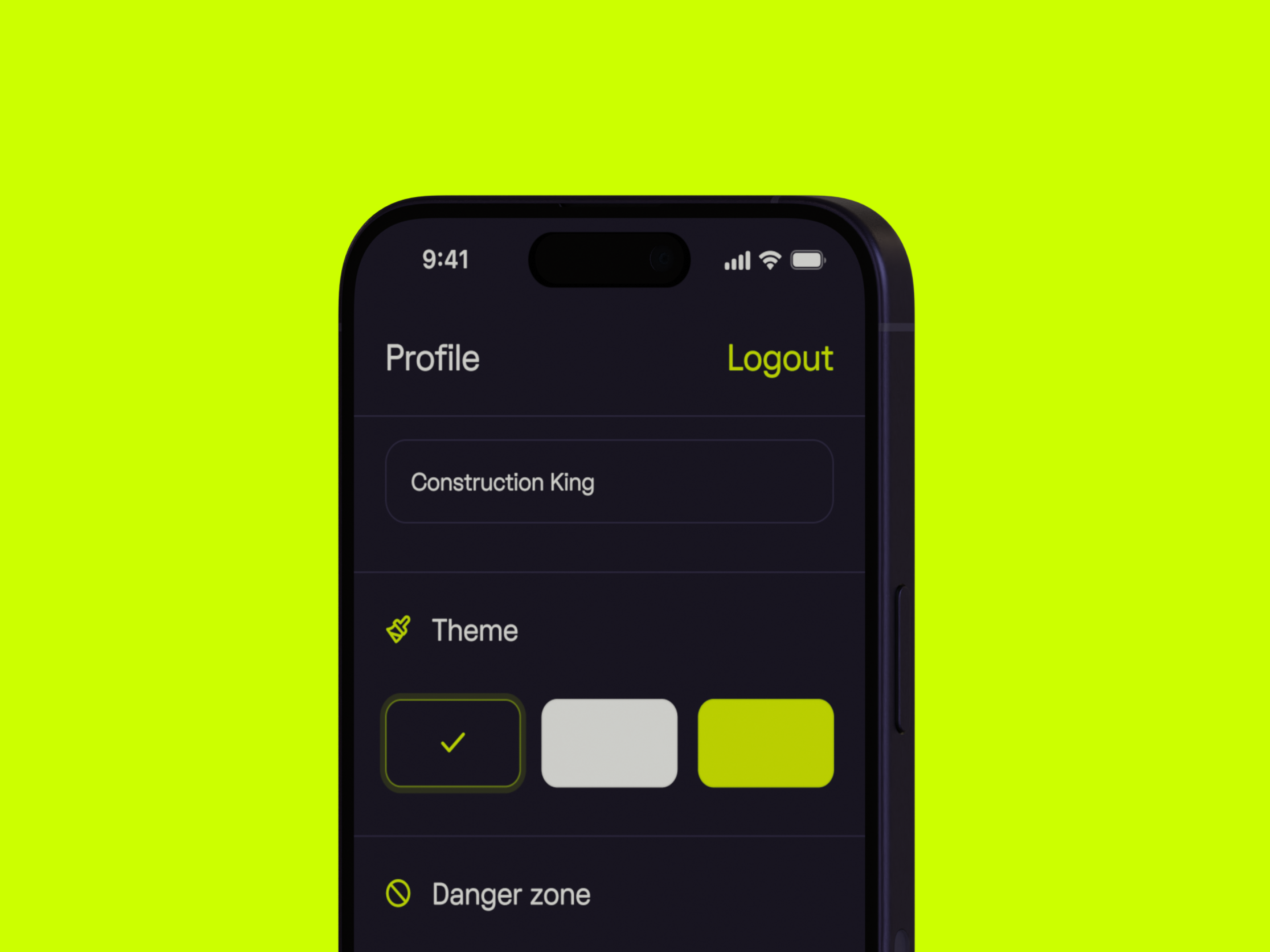
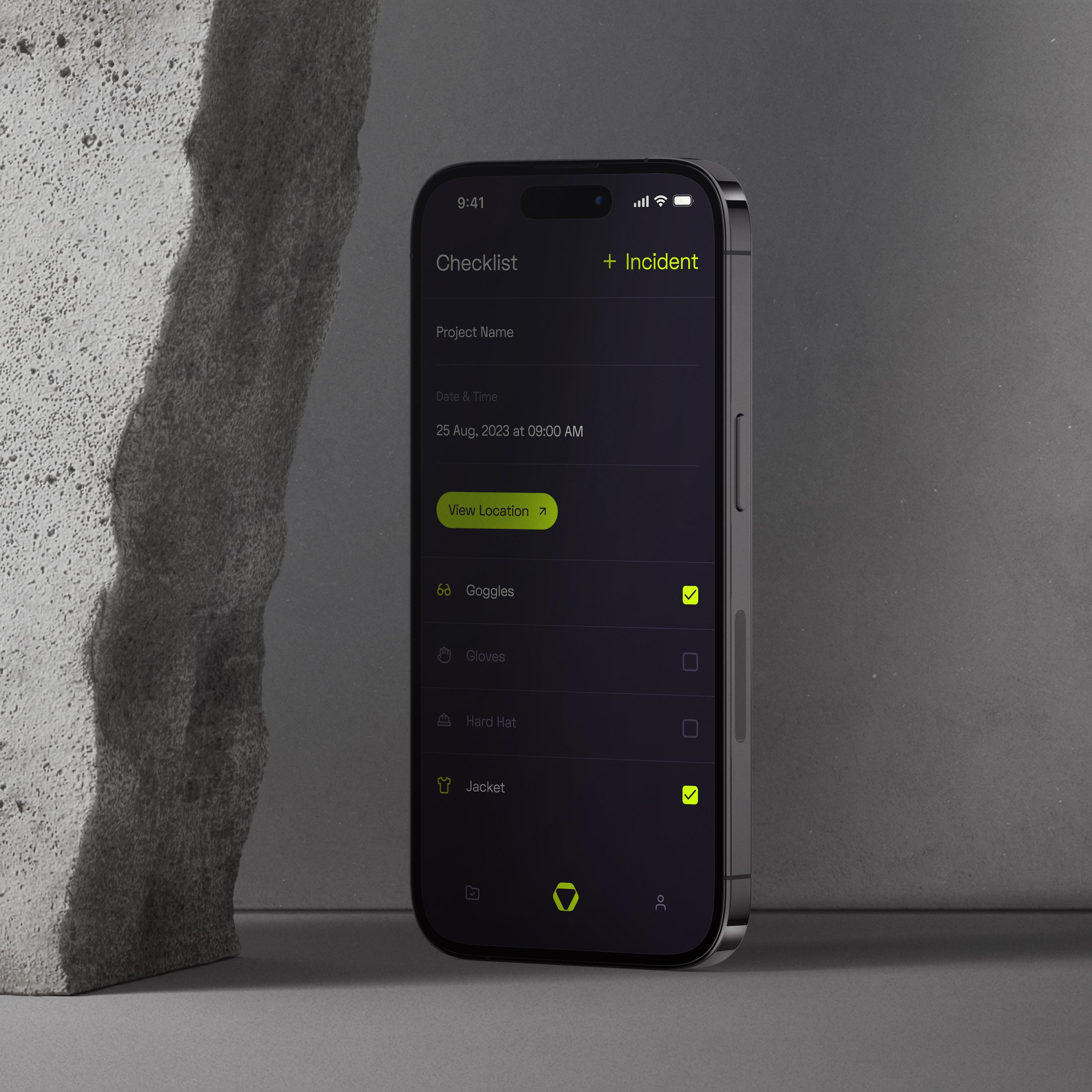
Contractor Connect
Bids, files, and chat keep field teams aligned.
Our Process
Discovery & Audit
Learn the users, competitors, and constraints.
Strategy & Planning
Choose the framework for the actual product.
Design
Respect the patterns of both platforms.
Build & Integrate
Share code while keeping native strengths.
Test on Real Devices
Test on real iOS and Android devices.
Launch & Iterate
Own store release and ongoing app health.
How we actually build it
Before any code, we figure out whether hybrid is even the right call. Sometimes it isn't. We'd rather tell you that early than build the wrong thing well.
Our default for most hybrid builds. Native performance where it counts, JavaScript where it doesn't, and a cost profile that actually makes sense for startups.
When the product needs heavy custom UI, complex animations, or pixel-identical rendering across platforms, Flutter often wins. We pick it when it fits, not by default.
An app is only as good as the backend behind it. We build APIs, auth, payments, and real-time sync so the hybrid layer never feels like the bottleneck.
The reason hybrid apps get a bad reputation is shipping them without testing them properly. We test on real hardware, profile on slow networks, and ship when it's actually fast, not just when it builds.
App Store and Play Store submissions, OTA updates, crash monitoring, analytics. The unglamorous work that keeps an app alive past launch week.
Tech stack & frameworks
One stack keeps iOS and Android dependable.
Beyond hybrid
Where teams usually go from here.
Hybrid is one approach. If you want the bigger picture across native, cross-platform, and internal tools, see our full mobile app development practice.
Most hybrid apps need a companion web app, admin dashboards, customer portals, internal tools. We build those too.
An app icon that gets buried on someone's home screen needs to fight for that tap. We design brand systems that make the app worth opening twice.
If you're a founder without a technical background trying to figure out whether hybrid is right for you, we wrote a guide for exactly that.
So why Hooman?
In their words.
Thank you, Hooman Studio, for a wonderful experience in creating this website. Your creativity, dedication, and discipline in getting everything on schedule are amazing! Look forward to working with you again.
I've worked with Hooman Studio on multiple projects, and the team is always great. They work hard to ensure they understand the specific needs of each project, always offer interesting & unique suggestions for layout and style, and consistently deliver what they say they will. Easy to communicate with and reliable - would highly recommend!
Hooman's designs are clean, user-friendly, and beautiful. Our branding has been noticeably elevated by the consistent, unique style he's established for us: we've gotten compliments on our designs numerous times. This is largely because this team deeply understands our brand and our business, more than any other service provider.
Hooman Studio team, in the true sense, are super-hoomans! They are top-notch in all aspects of their business - from designing to coordination to bringing your projects to life while exceeding expectations! They consistently exhibit their abilities to think out of the box and deliver technologically sound ideas!
Our experience with Hooman Studio has been professional, creative, and fun. Hooman listens to your ideas/vision and works hard to deliver a quality product. I am so proud of our project with Hooman. I will happily work with Hooman again on future projects and recommend him to others.
Very helpful and knowledgeable when it came to the conception, design, and development of our company website. Would happily work with Hooman Studio again!
FAQ
Most common questions
For most apps, yes. The honest answer: hybrid built well outperforms native built poorly, and the gap on the high end has narrowed every year. Where it still matters, heavy 3D graphics, intensive camera processing, complex AR, we'll tell you to go native. For everything else, hybrid is usually the smarter call.
Depends on your product. React Native is our default, bigger ecosystem, easier to hire for, plays well with web teams. Flutter wins when you need pixel-identical UI across platforms, complex custom animations, or heavy bespoke design. We pick the tool that fits the job, not the other way around.
An MVP usually lands in 10 to 16 weeks. A more ambitious app with custom backend, complex flows, and heavy QA runs 4 to 6 months. The shortcut you're hoping for, two months total, usually isn't a hybrid problem, it's a scope problem.
Yes, and we do this often. We start with a code audit, document what's there, fix the worst issues, then build forward from a stable base. We won't pretend a rewrite is needed when it isn't, and we won't pretend it isn't when it is.
We handle the full submission process for both stores, provisioning, signing, store listings, screenshots, review responses. Apple is stricter than Google about hybrid apps, so we build with their guidelines from day one rather than fixing rejections after.
Hybrid is meaningfully cheaper than building two separate native apps because you maintain one codebase instead of two. The actual number depends entirely on scope, complexity, and what's behind the app. We give a real estimate after a discovery call rather than publishing a price list that wouldn't apply to your project anyway.