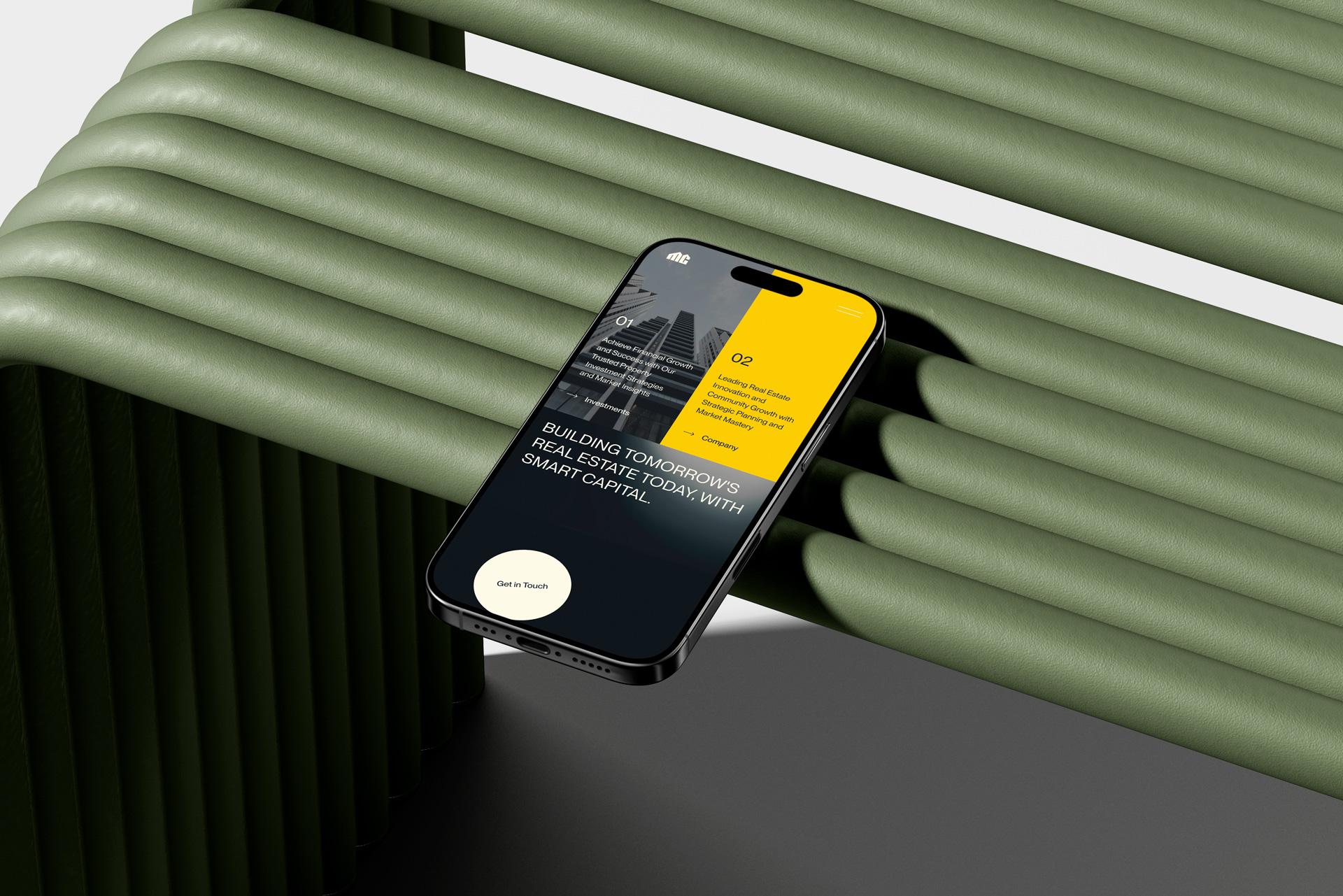
Judgment becomes visible
A real estate capital firm gains a distinct, credible public face.
Make the business unmistakable online.
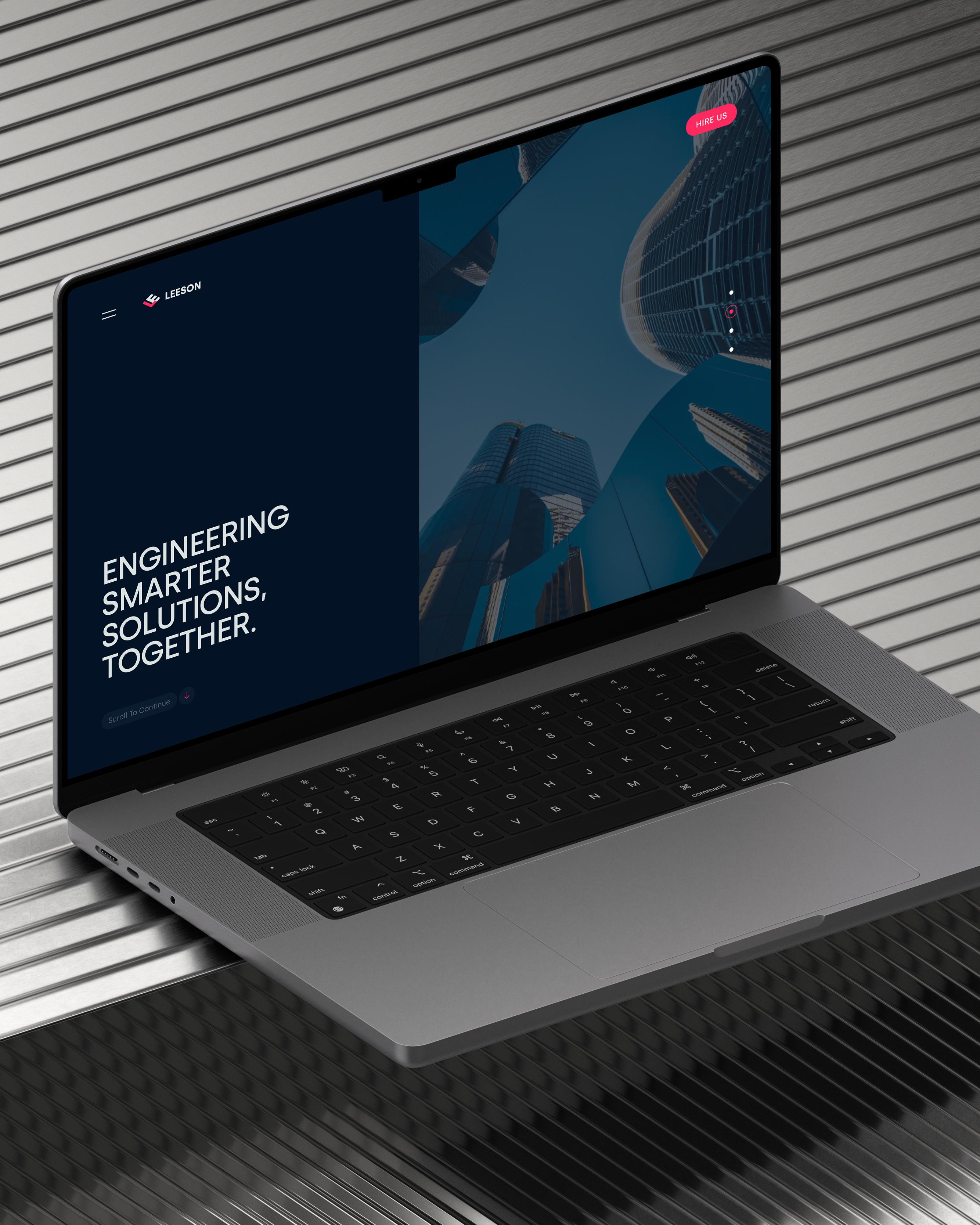
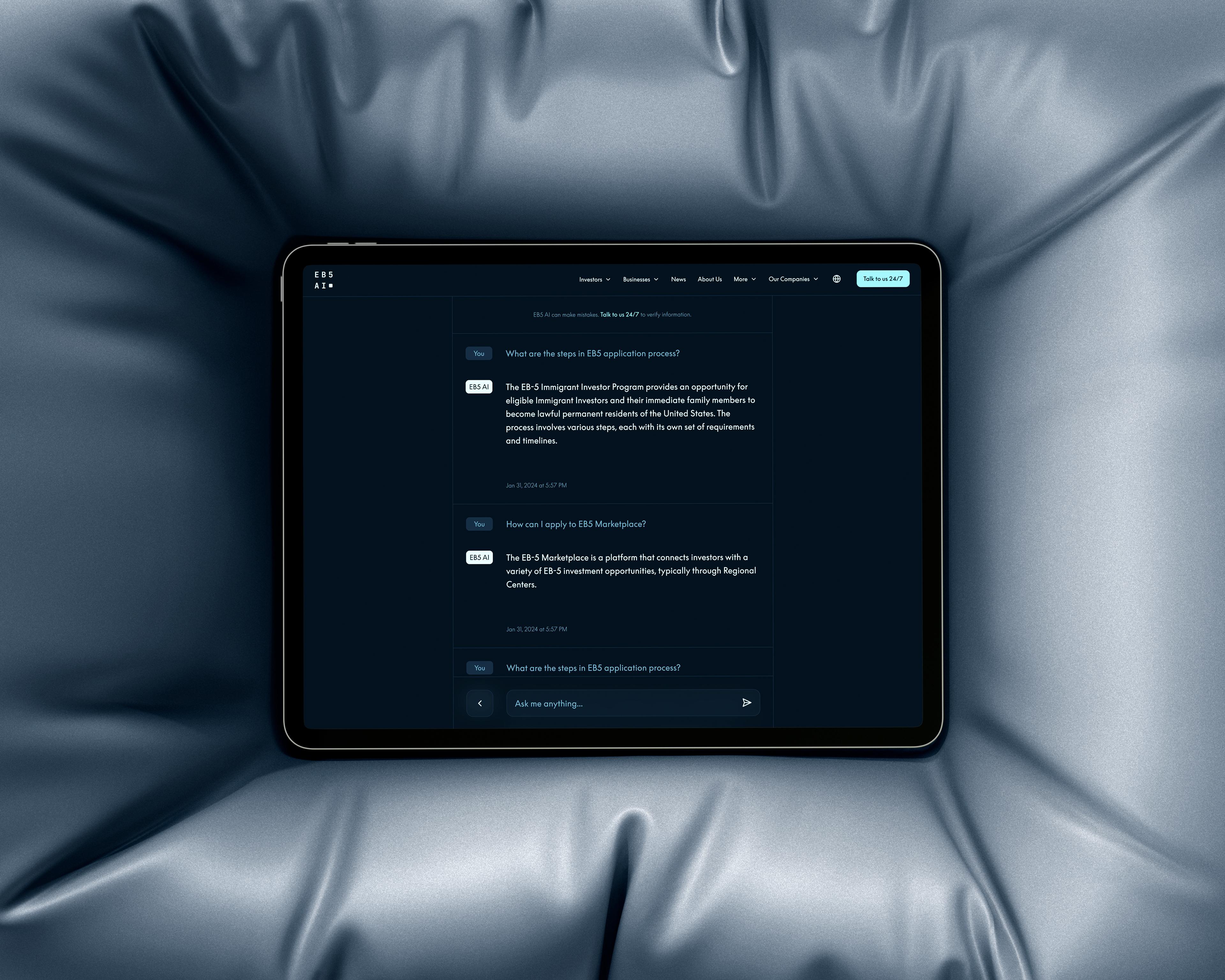
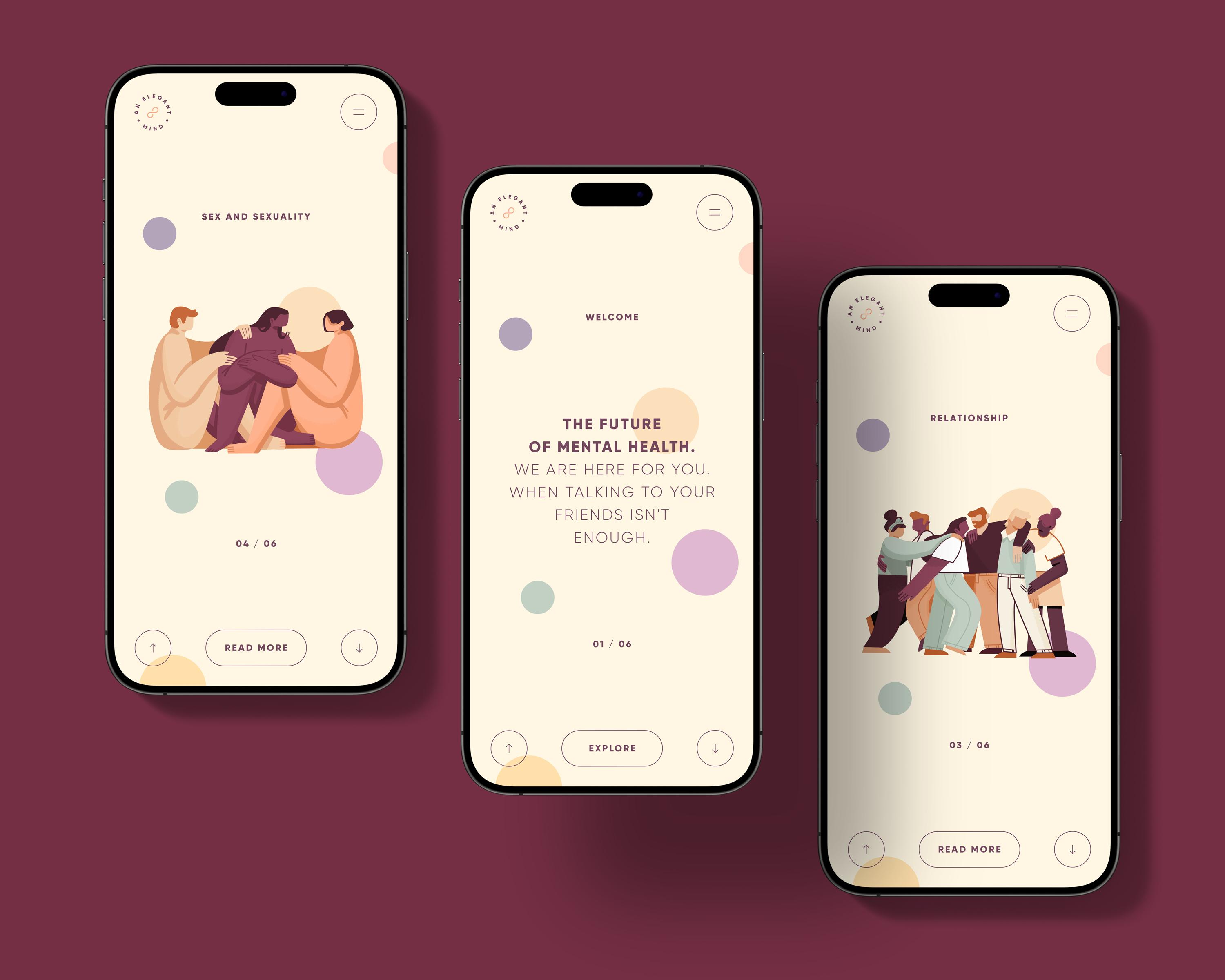
Custom website design shapes the structure, content, visual system, interaction, and technology around one organization. The business is not squeezed into a theme; the site is built around what people need to understand, trust, and do.
Hooman connects brand judgment, user experience, content, and development from the first page model through launch. The result is a site with a clear point of view and a system the organization can keep using.
It is the presence of a point of view.
Bring the website up to the current business.
Make the difference clear without a long tour.
Build a visual language only this brand owns.
Make publishing and integration easier.
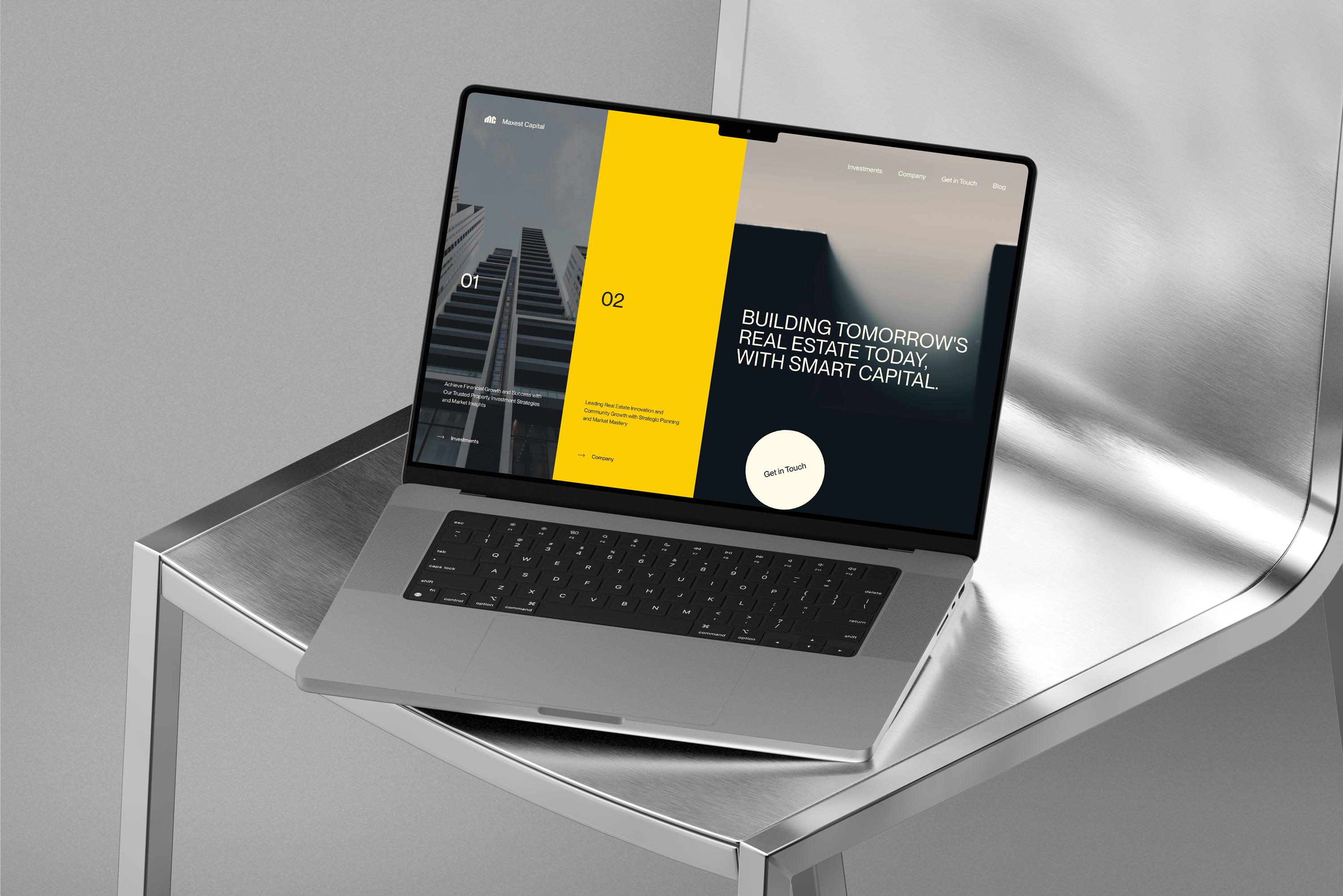
A real estate capital firm sells judgment rather than something an investor can inspect. For Maxest Capital, the brand and website had to make that invisible discipline feel deliberate and credible.
That is the value of a custom system: the structure and visual language answer the specific trust problem of the business instead of borrowing the conventions of the category.
One decision should guide story, interaction, and code.
Clarify the audience, truth, and central promise.
Turn the idea into a responsive page system.
Test motion and critical journeys early.
Connect frontend, CMS, analytics, and launch.
The design changes because the trust problem changes.
A real estate capital firm gains a distinct, credible public face.
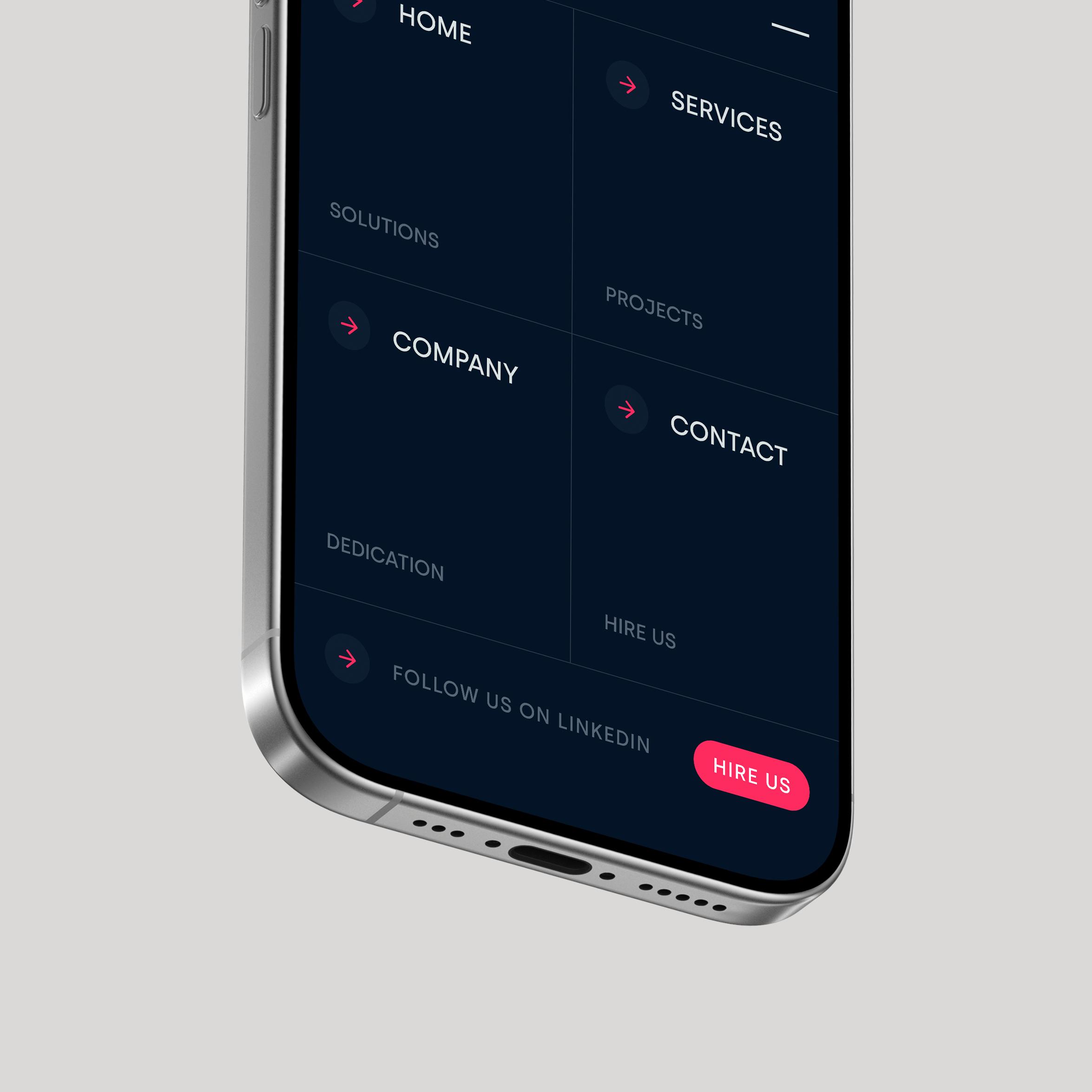
Installed systems and permit support carry an engineering story.
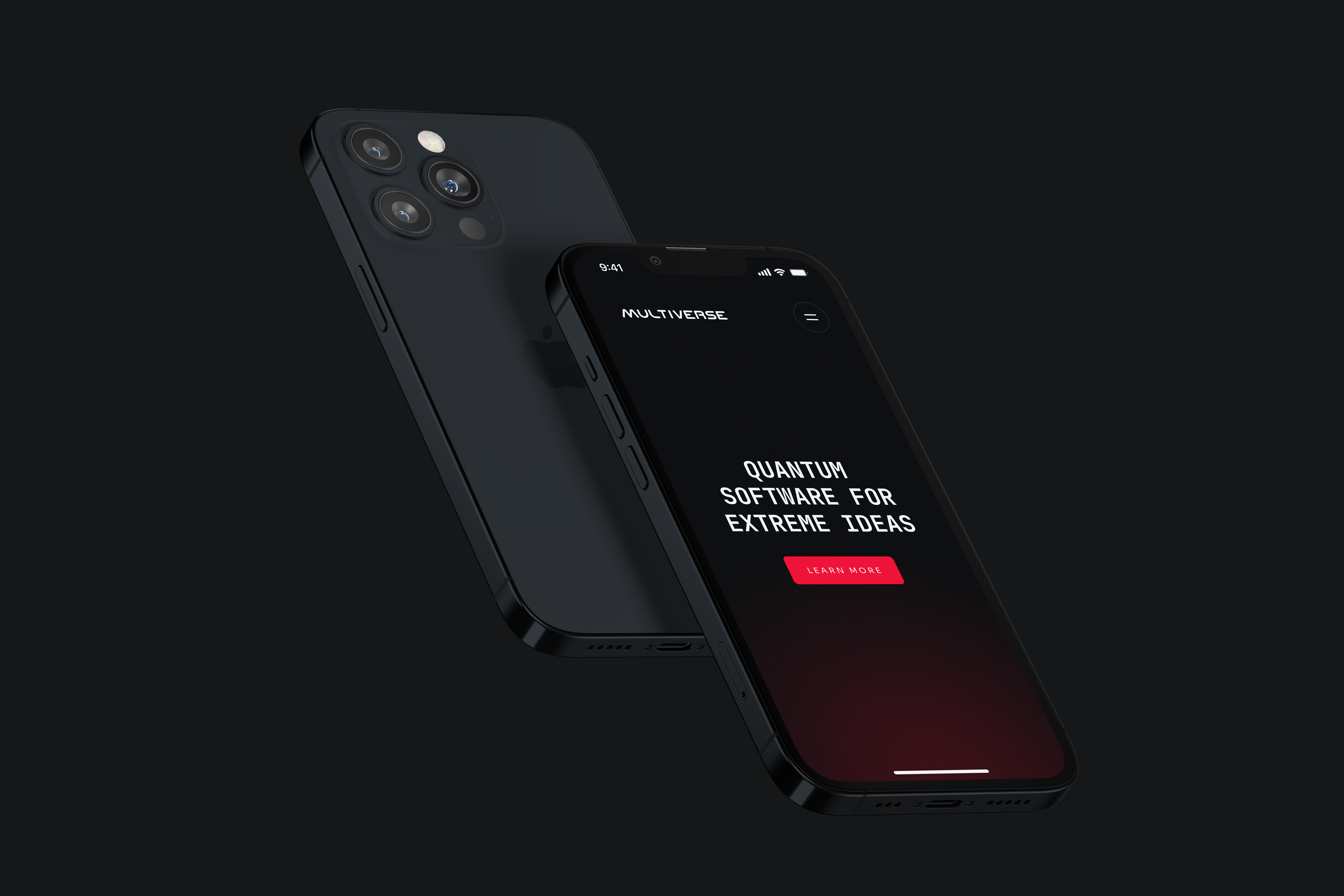
Distinct products and audiences live inside one coherent structure.
Resolve the audience, story, and critical path first.
Find where content, identity, and tech disagree.
Define audiences, narrative, and page model.
Test the most consequential journey first.
The first phase produces a clear website argument, audience and content model, information architecture, visual direction, and working prototype for the critical pages. Your team can see how the new site should think before the full system is built.
Hooman can hand that foundation to an internal team or continue through content, design, development, CMS integration, quality assurance, and launch.

Define the identity and point of view the website should express.
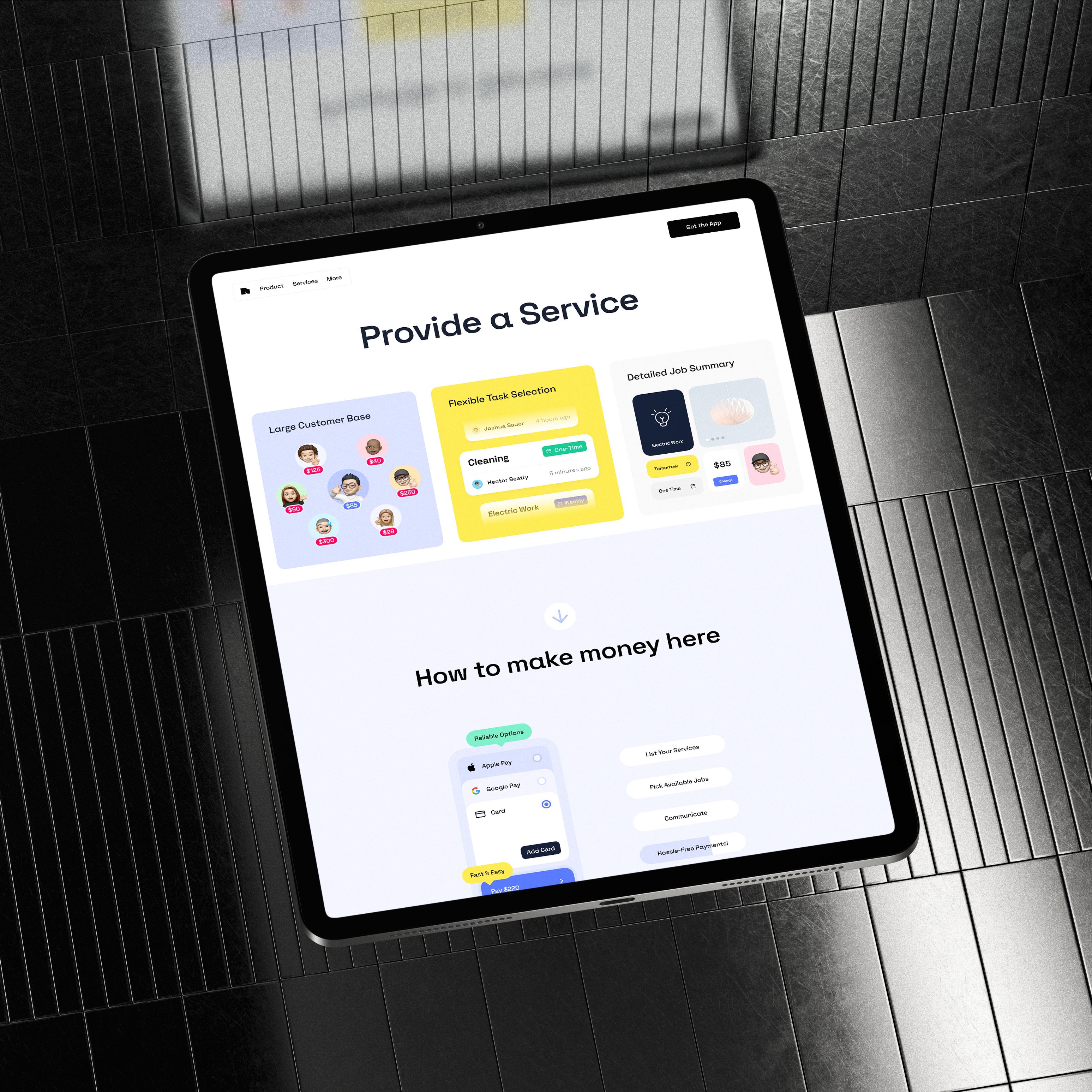
Design a product experience whose core job extends beyond communication.
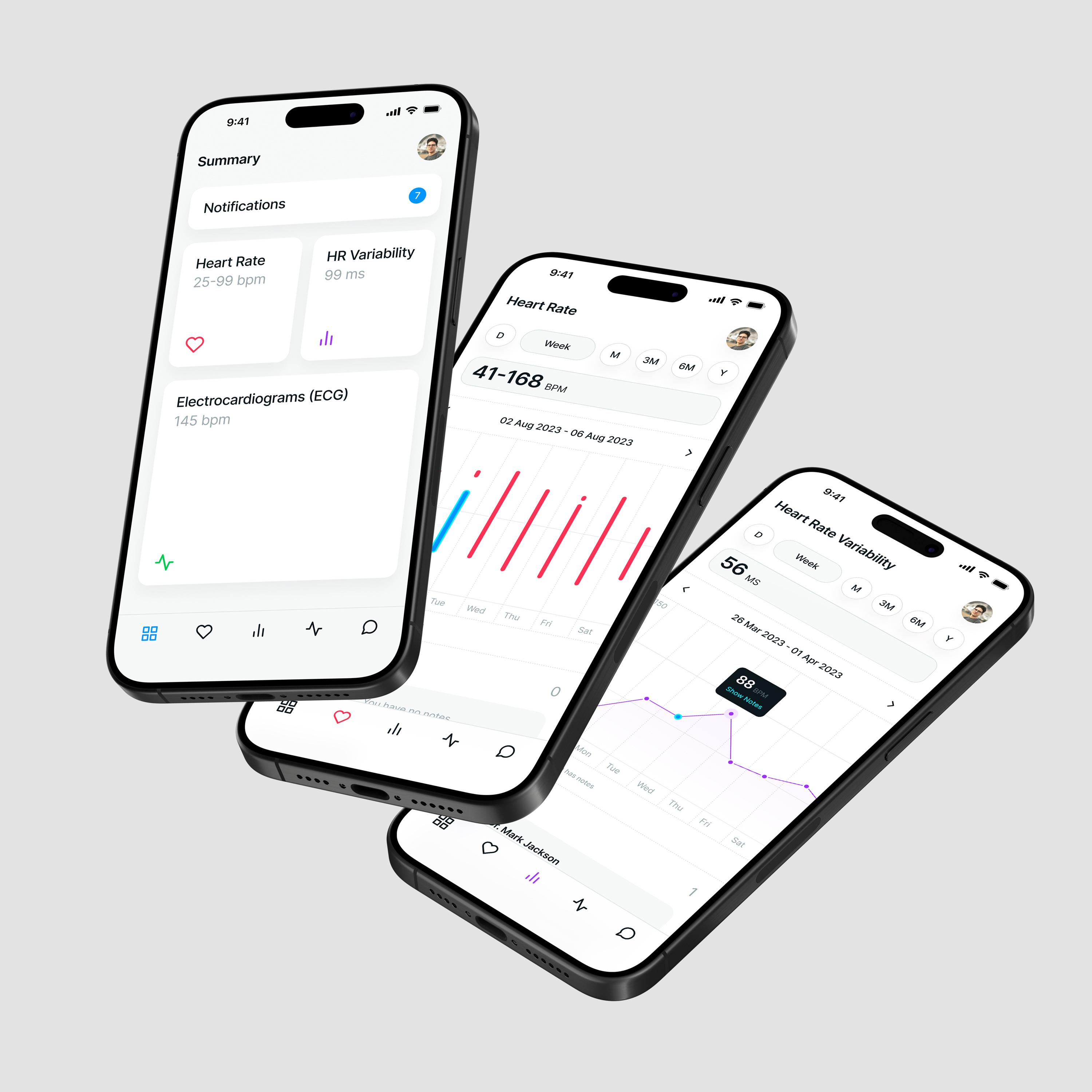
Build browser-based workflows, portals, and connected operations.
Most common questions
A custom website is organized around the organization’s specific audiences, content, brand, journeys, and technical requirements. Its structure and interface are designed as one system rather than assembled by adapting the business to a pre-existing theme.
Yes. We examine what should remain, where the current site no longer represents the business, and which content, journeys, or systems create friction. The redesign can preserve useful foundations while replacing the parts that no longer serve the organization.
Yes. Hooman can define the audience, positioning, information architecture, page model, messaging direction, and content requirements alongside the visual and technical system. Copywriting and content production can be included where the engagement requires them.
Yes. We can connect the website to a suitable content management system and the operational tools the experience depends on, such as forms, analytics, CRM, commerce, reservations, recruitment, or other approved services.
That is part of the design problem. We define reusable page and content patterns around the team that will operate the site, then configure the CMS so routine publishing does not require a developer.
Yes. Hooman can deliver the website strategy, information architecture, visual system, responsive designs, prototype, and decision record to an internal team or another engineering partner. We can also keep the same creative judgment connected through development and launch.
Start with the website’s hardest job: the audience or journey that carries the most commercial or reputational weight. We review the current experience, define the future narrative, and test the critical pages as a working prototype before expanding the system.