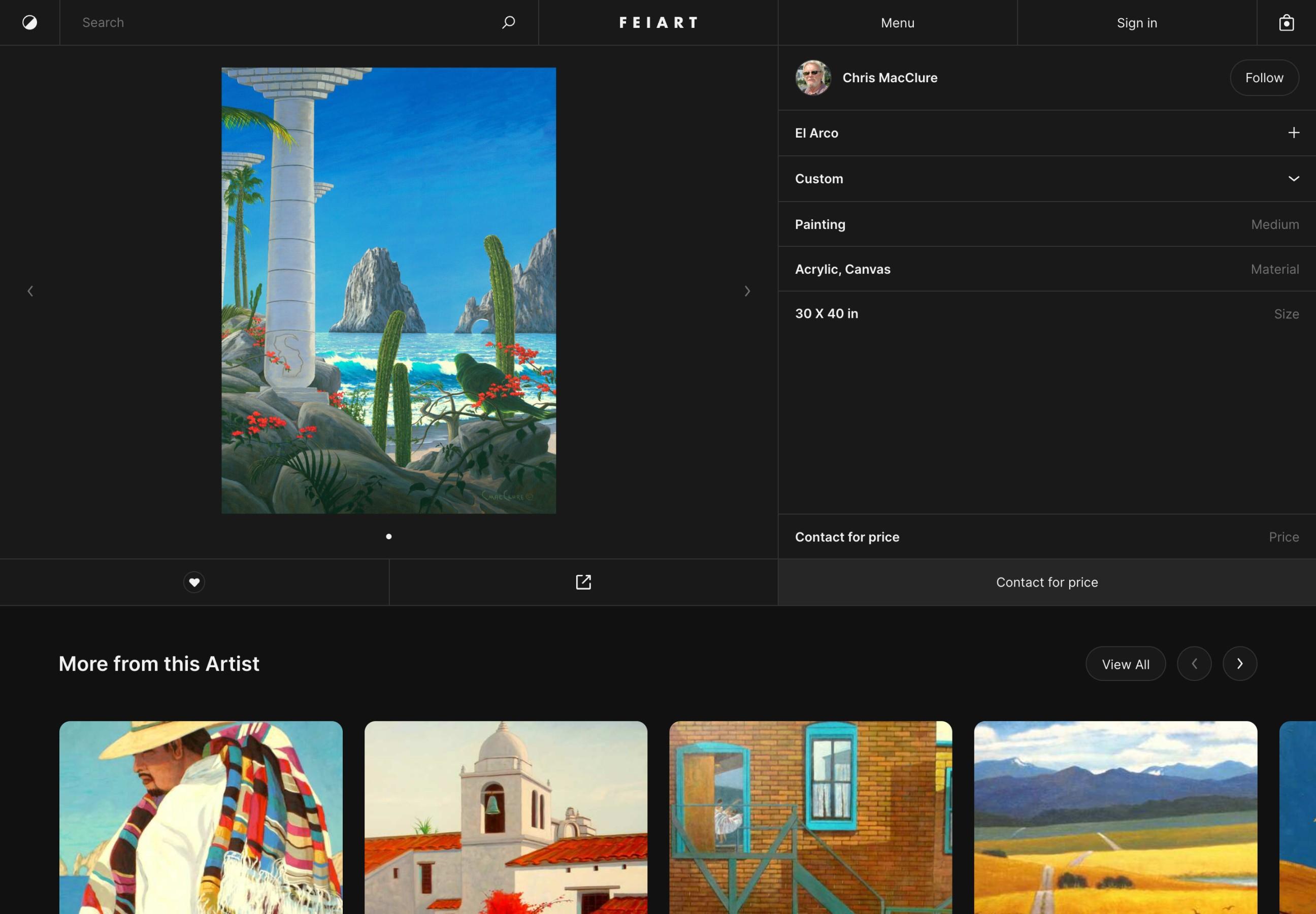
Unique products stay legible
Discovery supports the decision.
Keep product, checkout, content, and operations on one dependable path.
Keep product, price, promises, and orders aligned.
Help customers narrow the right choice.
Keep price, stock, tax, and totals truthful.
Show the right catalog, rules, and pricing.
Carry customer intent into fulfilment.
A storefront is the visible edge of a larger operating system. Products, variants, inventory, pricing, promotions, content, search, payments, tax, shipping, accounts, and fulfilment all contribute to one purchase. When those systems disagree, the customer experiences the disagreement as uncertainty.
The commercial goal is not novelty. It is a path where a person can understand the offer, trust the price and availability, recover from a mistake, and complete the purchase without the organization repairing the order by hand afterward.
The right architecture depends on the business. A focused direct-to-consumer store may be best served by Shopify. A content-rich brand may need a custom storefront on Shopify. Wholesale rules, multiple channels, complex pricing, or owned workflows may justify a composable platform such as Medusa. We choose according to what must remain easy to change.
Discovery supports the decision.
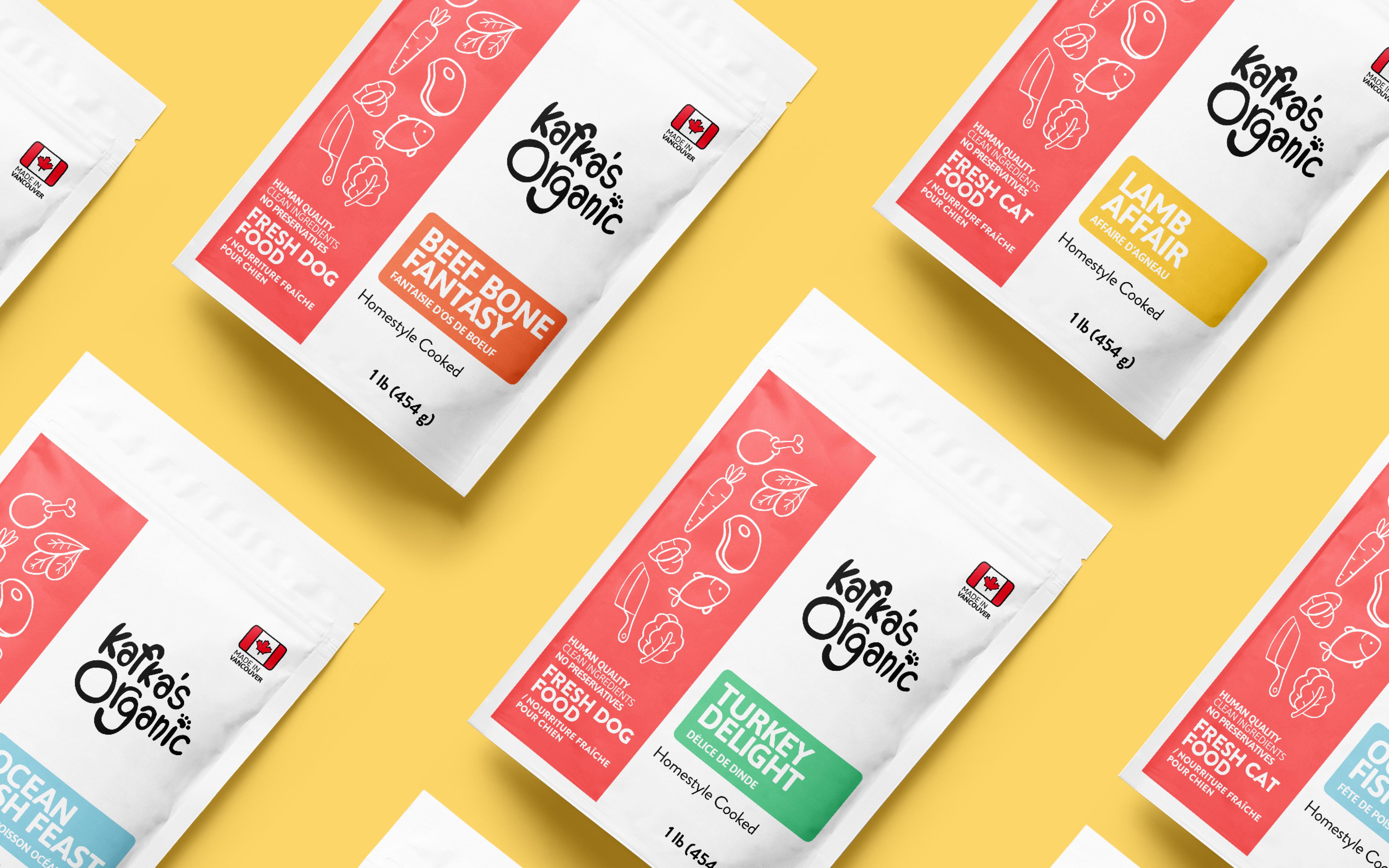
Packaging and storefront agree.
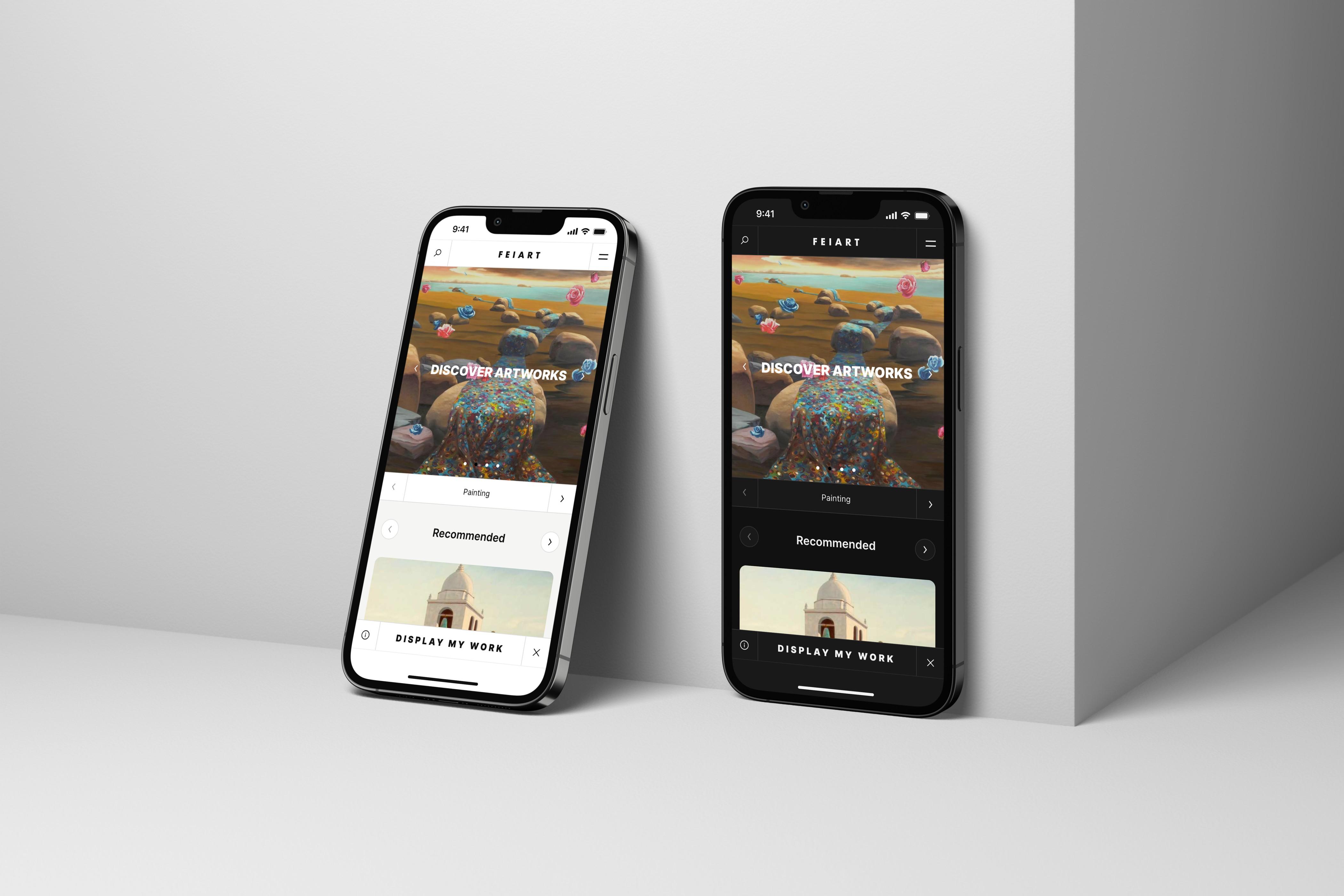
Every viewport keeps the path.
Eight connected decisions keep every channel trustworthy.
Model products, variants, bundles, collections, subscriptions, unique inventory, and product relationships around the way the business actually sells. The catalog should support future channels without making today harder to operate.
Keep currency, customer group, quantity, region, promotion, and tax rules explicit. A retail customer, wholesale buyer, and international shopper can share one product system while receiving the correct commercial terms.
Define where stock is held, when it is reserved, how backorders work, and what every channel may promise. Availability should be one shared fact, not a guess copied between storefronts and operations.
Combine navigation, filters, search, recommendations, editorial content, and merchandising according to how customers choose. A collector browsing unique art needs a different discovery model from a customer replenishing a familiar product.
Treat the cart as consequential state. Price changes, inventory limits, shipping eligibility, payment failure, address errors, and abandoned sessions need clear feedback and reliable recovery on real devices.
Give the team controlled ways to launch products, explain origin and use, publish campaigns, connect recipes or guides, and assemble landing pages without weakening product data or design consistency.
Carry customer intent into fulfilment, notifications, returns, support, analytics, and existing business systems. The most elegant checkout still fails commercially if the back office must retype or reconcile every order.
Measure product discovery, interaction responsiveness, checkout failure, integration health, and release impact. Performance work should protect revenue-critical journeys, while telemetry explains what pre-launch testing cannot predict.
Three paths fit different businesses.
Launch a focused, dependable storefront.
Pair a distinctive front end with Shopify.
Own complex channels and commercial rules.
Critical facts stay coherent.
Customers feel confidence when the product story answers real questions, availability stays current, totals remain understandable, checkout preserves progress, and every promise survives the handoff to fulfilment.
Teams feel the difference when one update reaches every channel, wholesale rules stop living in inboxes, campaigns do not require a fragile code release, and exceptions become visible before support discovers them.
The architecture earns its cost by reducing future constraint. In our own work, one Medusa backend supports retail, wholesale, and administration with shared products and inventory, while a headless Shopify build combines product journeys with recipes, community, reviews, shipping, and policy content.
Move products, customers, orders, and operations safely.
Find where customers hesitate or abandon.
Map catalog, customers, orders, and URLs.
Release payment, fulfilment, and recovery.
Let evidence guide the next release.
Headless is valuable when the business can name the constraints a standard storefront is creating: several channels from one catalog, regional experiences, content-rich discovery, customer-specific pricing, a mobile app, unusual products, or deep operational integration.
It is not a default upgrade. A custom storefront introduces more engineering ownership across authentication, search, cart state, deployment, monitoring, and integrations. If a well-configured Shopify store can support the roadmap cleanly, that is usually the better commercial decision.
A practical first engagement is a commerce architecture and journey audit. We identify the revenue-critical path, the operating constraints behind it, the platform choices that can support it, and the smallest production slice that will replace opinion with evidence.
Clear product data helps people and machines understand.
Keep product facts, price, and stock accurate.
Clarify shipping, returns, tax, and limits.
Answer questions product data cannot.
Track discovery, checkout, and repeat purchase.
Most common questions
Choose according to the operating model and roadmap. Shopify is often best for standard direct-to-consumer commerce and a managed backend. Headless Shopify fits brands that need a distinctive storefront or content model while keeping Shopify commerce. Medusa or another composable approach fits custom channels, pricing, workflows, and ownership requirements.
Headless makes sense when the storefront, content, channels, regional experiences, or integrations need to evolve independently from the commerce backend. It should solve named constraints, not serve as a prestige architecture.
If the business sells through one focused storefront, standard platform behavior supports the roadmap, and the team values managed operations over custom control, a well-designed Shopify implementation is usually the better investment.
Yes. The right result may be a carefully configured and customized Shopify storefront. We treat the theme, product model, content, subscriptions, integrations, performance, and analytics as one commercial system.
Medusa provides modular commerce domains for products, pricing, promotions, carts, customers, inventory, orders, payments, fulfilment, regions, and channels. It is useful when those domains need custom rules or must support several experiences from one owned backend.
Yes, when customer groups, access, catalogs, price lists, quantity rules, payment terms, tax behavior, and operational workflows are modeled explicitly. Our own work includes one backend serving retail, wholesale, and administration from shared product and inventory data.
We map language, currency, regional catalogs, pricing, tax, shipping, payment methods, policies, inventory, and content responsibilities together. The goal is not only translation. Each market must receive a coherent commercial promise.
Content should answer the questions that product data alone cannot: origin, fit, comparison, use, care, proof, and policy. The CMS must let teams publish that context without creating conflicting prices, availability, or product facts.
The right model depends on customer intent and catalog behavior. We combine navigation, filters, search, recommendations, merchandising, and editorial pathways, then measure whether people reach useful product decisions rather than only counting searches.
We prioritize the routes and interactions closest to revenue, reduce unnecessary client work, optimize media and third-party code, choose deliberate caching and rendering, and measure real product, cart, and checkout journeys on production devices.
Indexable product and collection pages need stable URLs, useful copy, strong internal paths, correct canonical behavior, accessible content, reliable rendering, and accurate structured product data. Price, availability, variants, shipping, and return information must agree with the visible page.
Machine-readable shopping experiences depend on clear product identity, variants, price, availability, policies, and source consistency. We make those facts accessible and reliable, while keeping the human product story useful enough to earn the decision.
Yes. We inventory products, variants, customers, orders, redirects, content, integrations, analytics, and operational dependencies, then move them in controlled releases. SEO equity and business continuity are treated as launch requirements.
The largest factors are catalog complexity, customer types, regions, content, design maturity, integrations, payment and fulfilment rules, data quality, migration scope, and testing risk. A focused audit produces a more reliable estimate than a feature list.
Start with the journey or operating constraint that carries the most revenue risk. We map the customer path, product and order data, platform boundaries, and measurable outcome, then define the smallest production slice that can prove the approach.
The client owns the work produced for the engagement. Hooman can hand the system to an internal team, continue as the product and engineering partner, or support a staged transition with documentation and shared release responsibility.