The product reaches the device
Native placement keeps the service close.
One mobile product, intentionally designed for iOS and Android.
Move one roadmap across two intentional platform experiences.
Keep tasks usable offline and resume safely.
Explain permission value and preserve a path.
Open the right task with its current state.
Share work while keeping releases native.
React Native is a framework for building Android and iOS applications with React. Product logic, interface patterns, analytics, and much of the delivery work can be shared, while the application renders native platform views and can reach device capabilities through native code.
The commercial advantage is coordination. One team can improve the same product across both platforms without maintaining two unrelated roadmaps. The experience still needs deliberate decisions for navigation, permissions, accessibility, offline behavior, performance, security, and store release.
Native placement keeps the service close.
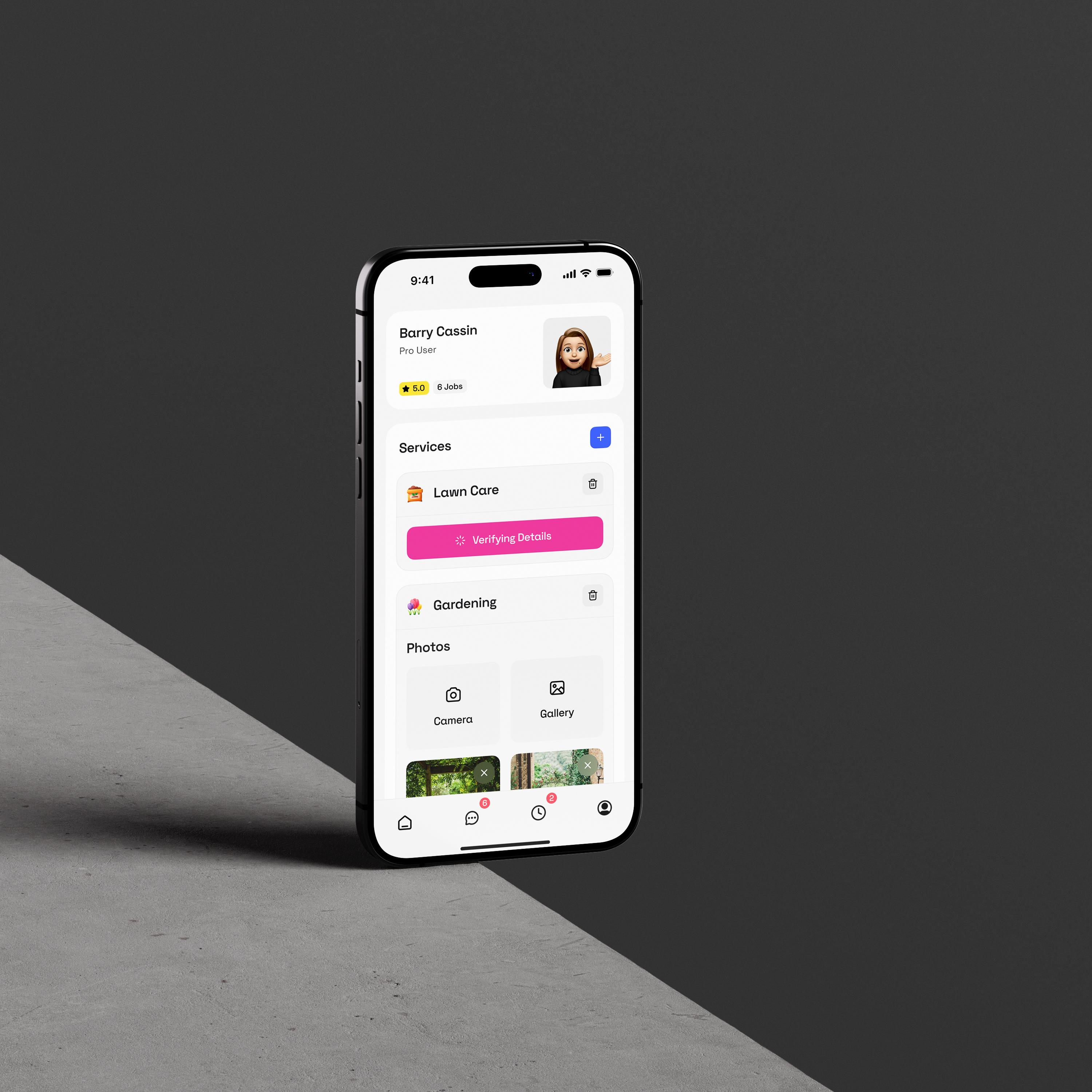
Customer and provider journeys stay aligned.
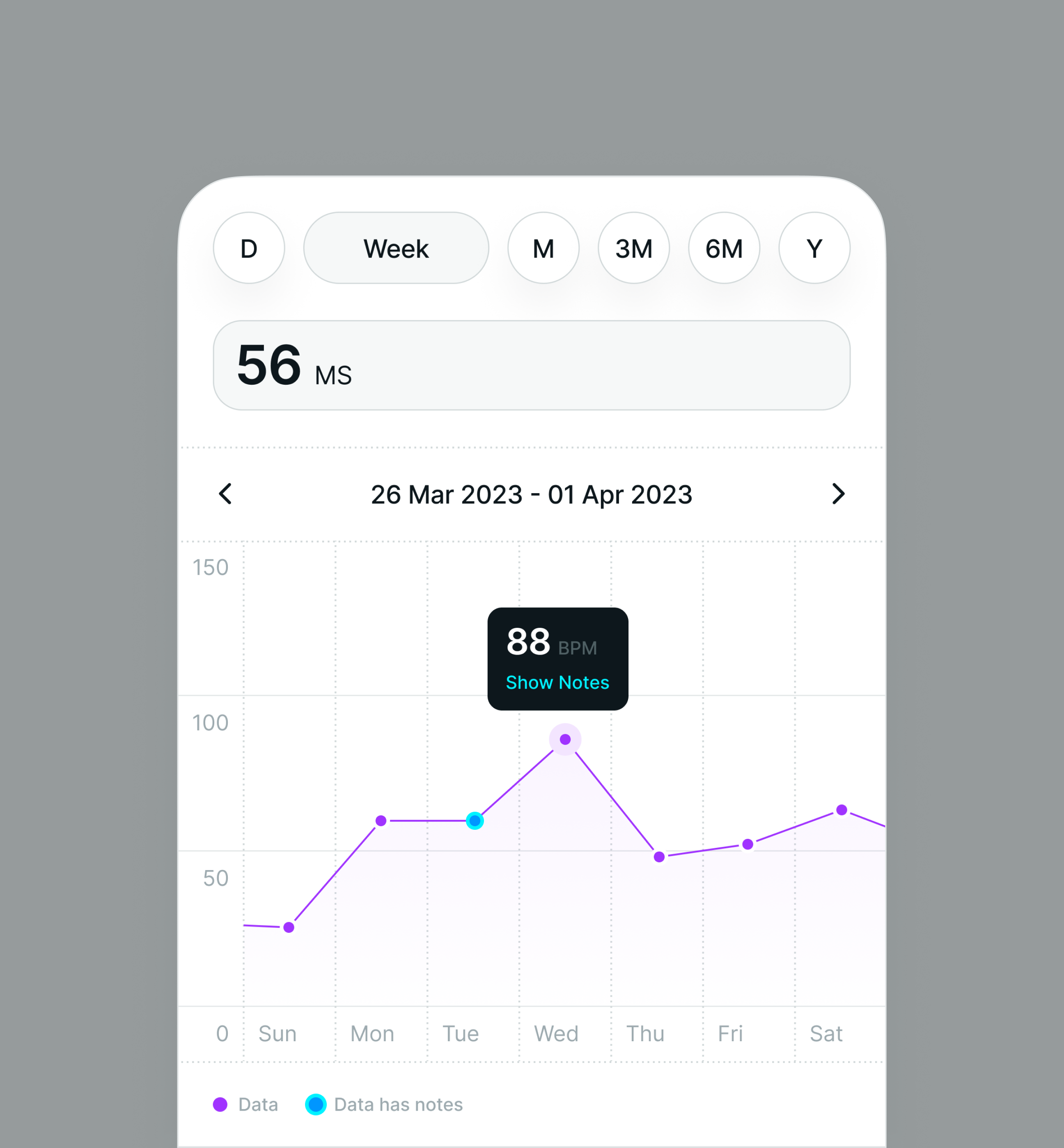
Health history stays clear on a phone.
Own device behavior, data, access, performance, and release.
Define domain rules, data access, analytics, and reusable interface patterns once. Keep platform-specific code visible where native behavior, performance, or maintainability makes it the better choice.
Respect the navigation, input, feedback, permissions, accessibility, and lifecycle expectations people already know on iOS and Android. The product and brand remain coherent without pretending the platforms are identical.
Connect camera, files, location, notifications, biometrics, secure storage, and other device services with clear permission requests and recovery paths. Custom native modules remain an option when a maintained library is not enough.
Decide what must work without a connection, what can wait, and how conflicts are resolved. Give people visible status, safe retries, and confidence that a completed task will not disappear when the network changes.
Test startup, scrolling, images, animation, touch targets, screen readers, contrast, motion, and text scaling on representative devices and release builds. The current architecture enables stronger capabilities, but speed and accessibility still depend on implementation.
Keep authorization and sensitive validation on trusted systems. Minimize local exposure, use platform-backed protection for appropriate secrets, and make consent, session changes, permissions, and destructive actions clear.
Coordinate Android and iOS signing, testing, store submission, staged rollout, monitoring, and recovery. Compatible JavaScript and asset updates may move without a new binary, but native libraries and runtime changes still require the appropriate build and store process.

One real release exposes product, native, and store decisions.
The first slice should justify the next.
Start with one high-value journey that must work on both platforms, such as onboarding, a field task, a booking, a purchase, or a health check-in. We define the shared product model and the native decisions before building the slice.
The phase produces working iOS and Android releases, the integration and data model, a test matrix, performance and accessibility evidence, store and monitoring setup, and a roadmap grounded in what the first release actually taught us.
Move one proven journey while customers keep using the app.
Find the journey creating delay or support.
Map shared logic, native needs, and ownership.
Introduce the new journey in a safe slice.
Use adoption and reliability to guide release.
Choose React Native when the business needs a serious iOS and Android product, values one coordinated team and roadmap, and can benefit from shared product logic without ignoring native platform needs.
A different approach may be better when the product is dominated by specialized graphics, unusual hardware, highly platform-specific behavior, or existing native investments that create little value from a shared foundation. We compare the real constraints before recommending the stack.
Most common questions
Choose React Native when the company needs a serious iOS and Android product but wants one coordinated roadmap, team, and product model. It can share substantial logic and interface work while preserving native behavior where the device or operating system requires it.
No. React Native renders native platform views rather than placing a website inside a browser shell. The product can still share JavaScript or TypeScript logic across iOS and Android and connect to native platform code when required.
They should express one product and brand, but they should not ignore platform conventions. We share the product model and design system while adapting navigation, permissions, input, feedback, and device behavior intentionally.
No. The goal is to share the decisions that benefit from one source of truth, not to force every platform concern into the same implementation. Native integrations, store requirements, and platform-specific experience may remain separate when that produces a better product.
Yes. React Native provides platform APIs and can connect to Swift, Objective-C, Kotlin, Java, or C++ modules when a required capability is not available through the framework or a suitable maintained library.
It is the current foundation for rendering and communication between React and native platform code. It supports modern React capabilities, more direct native interaction, and typed native contracts. It is enabled by default in current React Native projects, but adopting it does not automatically improve every application.
Expo is a React Native framework and service ecosystem that can simplify development builds, native configuration, internal distribution, store builds, submissions, and compatible updates. We evaluate it against native requirements, security, operating ownership, and release needs.
Yes, when offline behavior is designed into the product. We define which data and actions remain available, how pending work is stored, when synchronization occurs, how conflicts are resolved, and what status the user sees.
No. Performance depends on architecture, data access, rendering, images, animation, native modules, startup work, and device constraints. We measure consequential journeys on representative devices and release builds.
Yes. React Native can be introduced into one view or feature inside an existing Swift, Objective-C, Kotlin, or Java application. That path can reduce risk when a staged release is safer than replacing the entire product.
No. Compatible JavaScript and asset updates may sometimes be delivered without a new binary, depending on the release setup and store policies. Native libraries, native configuration, or runtime changes require a compatible build and the appropriate store process.
A different approach may be better when the product is dominated by highly specialized platform behavior, graphics, custom hardware, or existing native investments that offer little value from a shared roadmap. We compare the product constraints before recommending a stack.