
Content stays readable
Responsive views preserve the story.
One foundation for content, customers, and product.
Grow without another disconnected platform.
Publish structured content without a code release.
Connect public pages to live customer services.
Send only the browser code each route needs.
Gate release with performance and evidence.
Next.js is a React framework for building websites and web applications from one system. It lets a team decide which pages can be prepared ahead of time, which data should be cached, and which customer actions must stay live and secure.
That matters when a public website is doing more than presenting information. Product availability can stay current, editors can work through a structured CMS, and authenticated journeys can continue without sending every responsibility to one overloaded browser application.
Responsive views preserve the story.
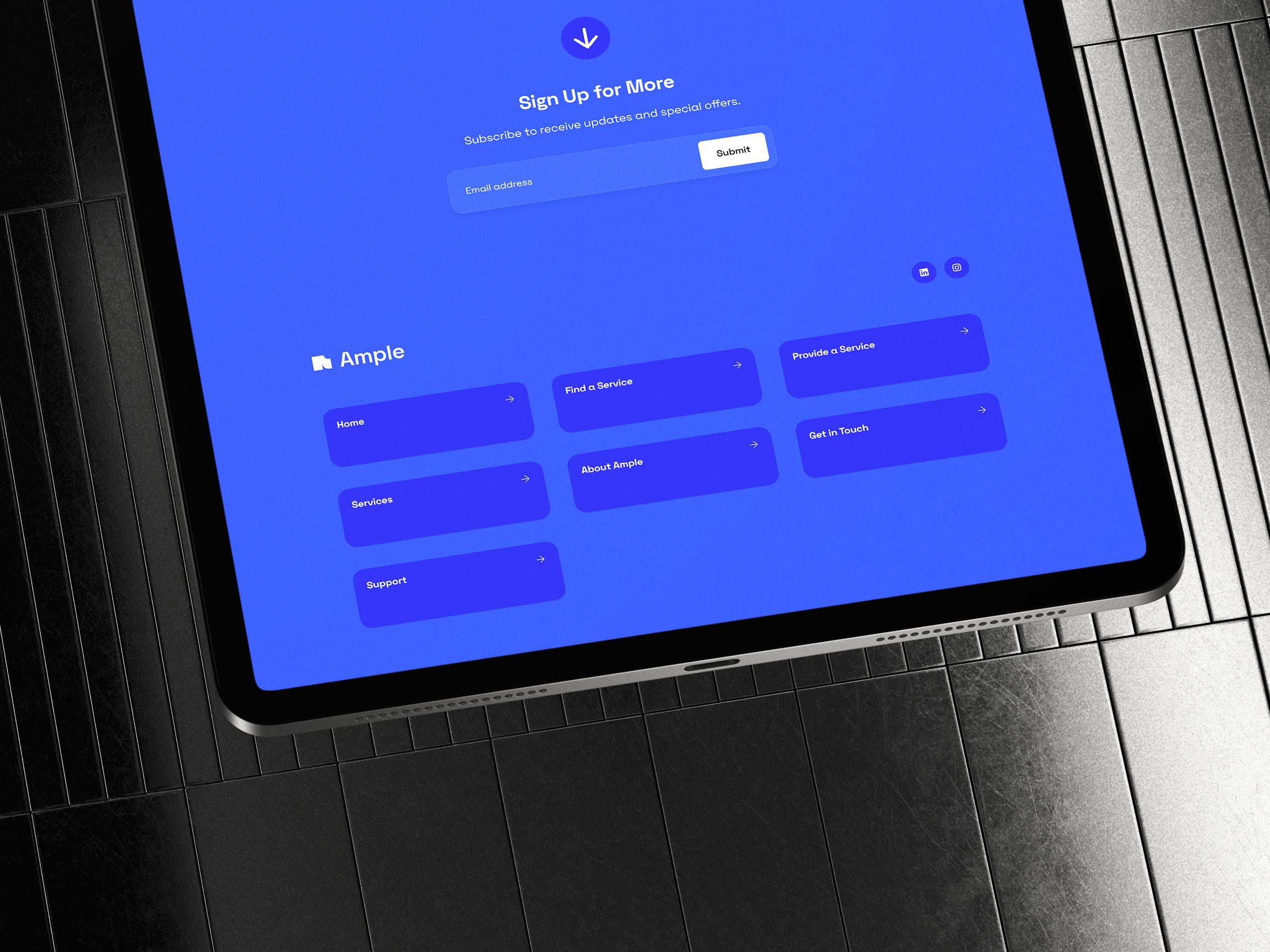
Navigation carries intent into action.

Content and services share one model.
Decide what is cached, live, editable, private, and visible.
Decide route by route what can be prepared ahead, what can be cached, and what must remain live. The goal is a fast experience without showing stale customer, inventory, or product data.
Build crawlable content with intentional metadata, canonical URLs, sitemaps, structured data, and social images. Next.js makes these controls available, but useful content and earned authority still determine whether a page deserves visibility.
Give editors structured content, preview, permissions, and deliberate revalidation. Marketing can publish approved changes while engineering retains control of templates, integrations, and release behavior.
Treat authentication, authorization, server-side validation, and data boundaries as product decisions. A framework can provide patterns, but the implementation must still protect every sensitive action.
Deploy on Vercel or self-host when the operating model requires it. Streaming, caching, image optimization, observability, and coordination across instances must be verified in the chosen infrastructure.
A production slice reveals consequential decisions early.
Each release should earn the next.
Start with one route or customer journey that matters to revenue, service, or operational risk. We map the users, content, data, permissions, and integrations it depends on, then build that slice end to end.
The phase produces a working release, an architecture decision record, a content model, performance and accessibility evidence, and a roadmap for the next controlled slice. It can stand alone or become the foundation for a broader platform.
Move routes, rankings, content, and analytics in safe slices.
Inventory routes, content, analytics, and risk.
Map redirects, metadata, tracking, and ownership.
Move old and new journeys in safe slices.
Watch crawling, speed, errors, and conversion.
Choose Next.js when the public website must share content, live data, or customer journeys with a real product. It is especially useful when several teams need clear control over publishing, integrations, permissions, and release behavior.
Do not choose it because it is fashionable. A small brochure site may be better served by a simpler platform. We recommend the least complicated system that can support the business reliably, including the people who must operate it after launch.
Most common questions
Next.js development uses the React framework to build websites and web applications with explicit control over rendering, caching, routing, metadata, data access, and server-side behavior. The value is not the framework alone. It is the ability to connect content and product journeys inside one operated system.
Choose Next.js when the public website must share content, live data, or customer journeys with a real product. A builder is often the better choice for a simple brochure site. Next.js earns its complexity when editorial control, integrations, authenticated flows, and long-term change need one foundation.
Yes, when it is paired with a structured CMS such as Sanity and a clear preview and approval workflow. Editors can own approved content while engineering retains control of templates, integrations, permissions, and releases.
No. Next.js provides strong rendering, caching, image, font, and code-splitting tools. Architecture and implementation decide the result. We set performance budgets, test real routes, and watch field behavior after release.
No framework can promise rankings. Next.js makes technical work more controllable through crawlable rendering, metadata APIs, sitemaps, canonical URLs, structured data, and performance tools. Search success still depends on useful content, authority, crawlability, and ongoing measurement.
Usually. It can sit in front of an existing CMS, commerce platform, CRM, search service, or API. We map data ownership, freshness, failures, and security before choosing the integration pattern.
Yes, when sharing the foundation simplifies the customer journey. Public pages can be prepared for discovery while quotes, dashboards, or accounts remain interactive and permissioned. Those boundaries must stay explicit so public and private data do not blur.
Yes. Existing and new routes can coexist while redirects, metadata, content, analytics, and integrations move in controlled slices. The migration plan should protect current visibility and customer behavior before it changes the architecture.
No. Next.js can run on Vercel or be self-hosted. The practical question is operational ownership: streaming, caching, image optimization, observability, and coordination across multiple instances must work in the chosen environment.
When the site is small, rarely changes, has no meaningful integrations, and a simpler platform already gives the team enough control. We recommend the simplest system that can support the business reliably.