The Page Nobody Wants to Screenshot: An Elegant Mind's UI
By Mobina
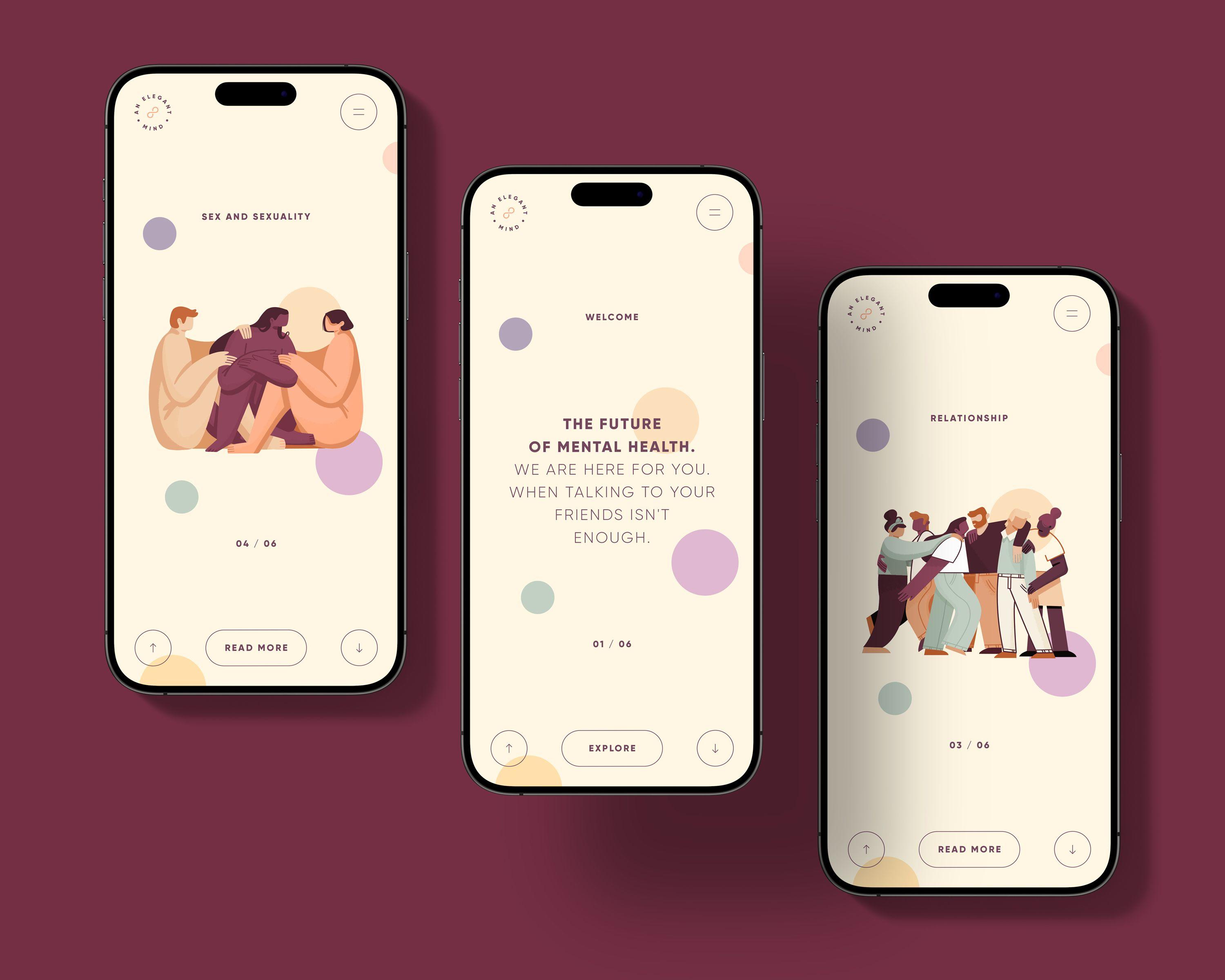
Hooman Studio designed An Elegant Mind's UI so that sensitive sections, sex therapy, relationships, mental health, use the exact same calm visual language as the rest of the site, treating discretion as a core design requirement rather than an afterthought.
Most UI design assumes the user is happy to be seen using the product. An Elegant Mind's website covers sex therapy, relationships, and mental health content, sections where discretion isn't a nice-to-have feature, it's a baseline requirement.
Designing for a User Who Wants to Be Unremarkable
A shopping app wants screenshots. A banking app tolerates them. A mental health platform covering sex therapy needs to assume the opposite: that a user might actively not want this on their screen when someone glances over, and the interface has a responsibility to that reality.
Call this discreet interface design: a UI built so that its most sensitive sections don't visually announce themselves. The mobile design covering sex, relationships, and mental health content uses the same calm, illustrated visual language as every other section of the site, nothing about the sensitive pages is styled to stand out or flag itself as different, which is exactly the point.
Why Consistency Is the Actual Privacy Feature
The obvious approach to sensitive content is to wall it off, a separate section, a warning label, an extra click to "confirm you want to see this." An Elegant Mind's UI does the opposite: it folds sex therapy content into the same navigation, the same illustration style, and the same layout patterns as everything else on the site.
That consistency is a form of discretion, not a lack of care. A section that looks visually distinct from the rest of the site draws exactly the kind of attention a user in this context is trying to avoid. Keeping the visual language identical across every topic means nothing on screen singles out what a person is actually looking at.
Where the Illustration System Earns Its Keep
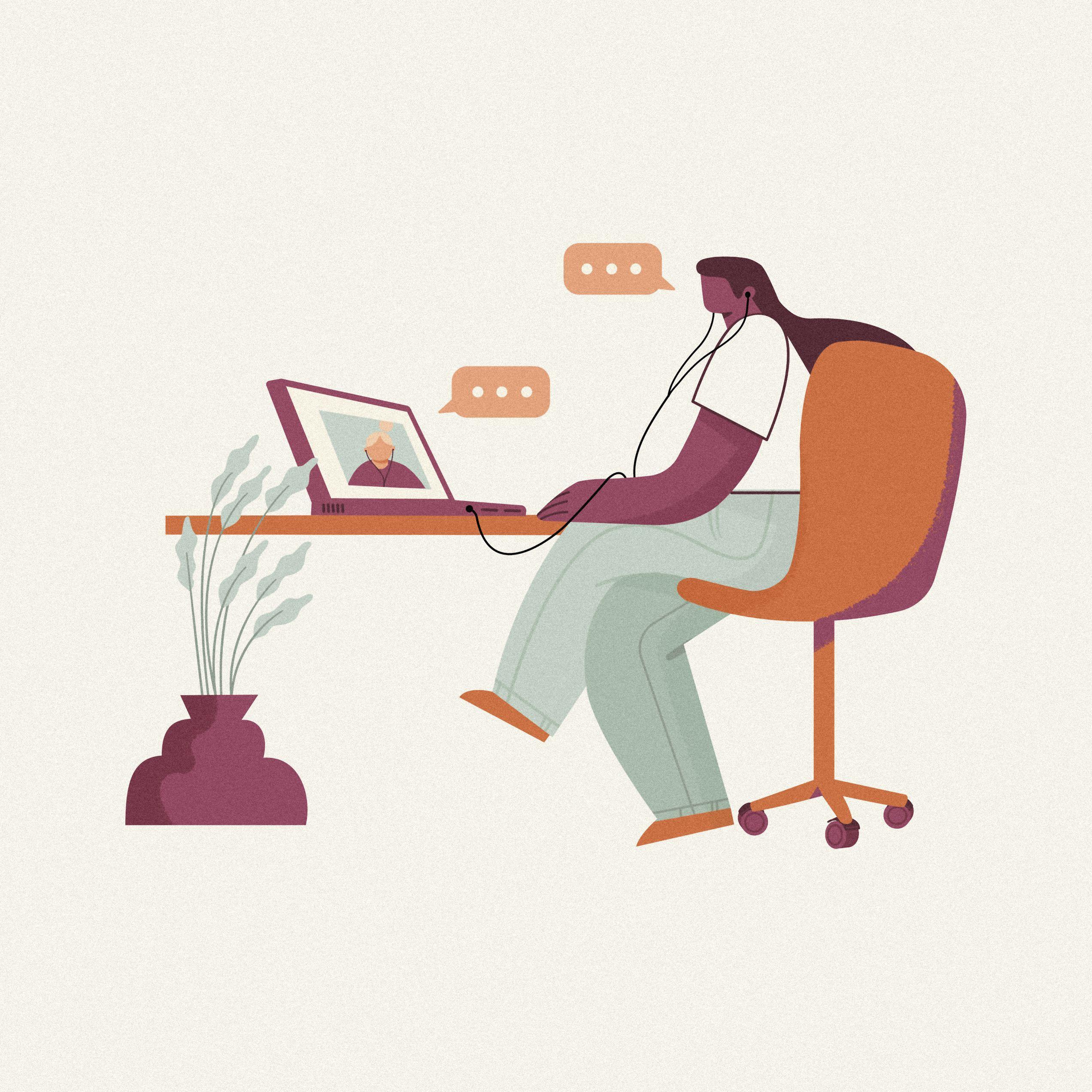
This is the section where the illustration system covered in The Illustration That Doesn't Flinch does its most practical work. Because the illustrations for sex therapy, anxiety, and general counseling already share one visual language, the UI built on top of them doesn't need extra design work to make sensitive sections blend in, they already do, by construction.
That's the payoff of building the illustration system as one coherent language instead of topic-by-topic: the UI inherits that consistency for free, rather than needing a separate design decision for every sensitive page.
A Different Kind of Restraint Than a Financial Tool's
OpusSafe's mobile UX uses restraint to build enterprise trust, reducing friction so a professional user can move fast. An Elegant Mind's restraint is doing something related but distinct: reducing visual friction so a vulnerable user can move through sensitive content without feeling exposed. Same design principle, restraint as trust, aimed at a completely different kind of risk.
What Success Actually Looks Like Here
Most UI work aims to be noticed, praised, screenshotted, shared. This interface succeeds by doing the opposite: being unremarkable enough that a user covering deeply personal ground never has a reason to think twice about what's on their screen.
That's a harder brief to execute than it sounds, and a much quieter kind of success to measure, but it's the actual job this UI was built to do.
If your product needs an interface that protects the people using it, not just looks good doing it, let's talk.
FAQ
It's designing a UI so that its most sensitive sections don't visually announce themselves, using the same visual language throughout rather than singling out certain content with different styling or warnings.
Because that separation can draw more attention to what a user is viewing, not less. Folding sensitive content into the same consistent design as everything else better protects a user who doesn't want to be noticed looking at it.
A consistent illustration system across all topics means sensitive pages don't need special design treatment to blend in, they already share the same visual language as the rest of the product by construction.
It's related but distinct. Enterprise UX often uses restraint to reduce friction for speed and professional trust. Here, restraint reduces visual friction so a vulnerable user can move through content without feeling exposed.
Being unremarkable. The goal isn't to be praised or shared, it's for a user covering deeply personal ground to never have a reason to think twice about what's visible on their screen.